

Hey there! As a supplier of painting and anodizing lines, I've seen firsthand how crucial coating thickness control is in the industry. In this blog, I'll share some of the most effective methods for controlling coating thickness in a painting and anodizing line.
Why Coating Thickness Control Matters
Before we dive into the methods, let's quickly talk about why coating thickness control is so important. In both painting and anodizing processes, the thickness of the coating can significantly impact the final product's quality, durability, and appearance.
- Quality and Durability: A proper coating thickness ensures that the product is protected from corrosion, wear, and other environmental factors. If the coating is too thin, it may not provide adequate protection, leading to premature failure of the product. On the other hand, if the coating is too thick, it can cause issues such as cracking, peeling, or a rough finish.
- Appearance: The thickness of the coating also affects the product's appearance. A consistent coating thickness results in a smooth, uniform finish, which is often a key requirement for many applications.
Coating Thickness Control Methods
Now, let's take a look at some of the common methods used to control coating thickness in a painting and anodizing line.
1. Manual Measurement
Manual measurement is one of the simplest and most straightforward methods for controlling coating thickness. It involves using handheld measuring devices such as micrometers, calipers, or coating thickness gauges to measure the thickness of the coating at various points on the product.
- Advantages: Manual measurement is relatively inexpensive and can be done quickly. It also allows for direct measurement of the coating thickness, providing accurate results.
- Disadvantages: Manual measurement is time-consuming, especially for large batches of products. It also requires skilled operators to ensure accurate measurements. Additionally, manual measurement only provides point measurements, which may not accurately represent the overall coating thickness across the entire product.
2. Automatic Measurement Systems
Automatic measurement systems are becoming increasingly popular in the painting and anodizing industry. These systems use sensors and controllers to continuously monitor and adjust the coating thickness during the process.
- Advantages: Automatic measurement systems provide real-time feedback on the coating thickness, allowing for immediate adjustments to be made. This helps to ensure consistent coating thickness across the entire product and reduces the risk of human error. Additionally, automatic measurement systems can be integrated with the production line, improving efficiency and productivity.
- Disadvantages: Automatic measurement systems are more expensive than manual measurement methods. They also require regular maintenance and calibration to ensure accurate operation.
3. Process Control
Process control is another important method for controlling coating thickness in a painting and anodizing line. It involves optimizing the process parameters such as spray pressure, spray distance, conveyor speed, and anodizing time to achieve the desired coating thickness.
- Advantages: Process control helps to ensure consistent coating thickness by maintaining stable process conditions. It also allows for adjustments to be made quickly and easily, without the need for manual measurement.
- Disadvantages: Process control requires a thorough understanding of the painting and anodizing processes and the factors that affect coating thickness. It also requires regular monitoring and adjustment of the process parameters to ensure optimal performance.
4. Quality Control Checks
Quality control checks are an essential part of any coating thickness control program. They involve inspecting the finished products to ensure that the coating thickness meets the specified requirements.
- Advantages: Quality control checks help to identify any issues with the coating thickness early in the process, allowing for corrective action to be taken before the products are shipped to the customer. They also provide a record of the coating thickness for quality assurance purposes.
- Disadvantages: Quality control checks are time-consuming and can be expensive, especially for large batches of products. They also only provide a snapshot of the coating thickness at a specific point in time and may not detect any variations that occur during the production process.
Using Equipment to Aid Coating Thickness Control
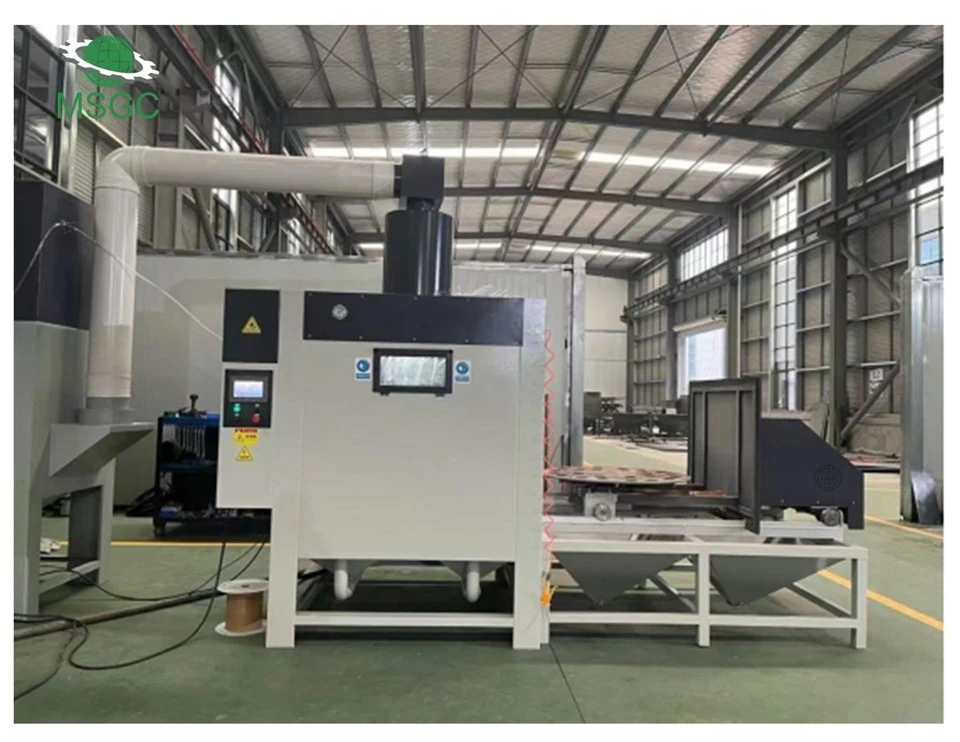
In addition to the methods mentioned above, using the right equipment can also help to improve coating thickness control in a painting and anodizing line. For example, Extrusion Dies Sand Blasting Machine can be used to prepare the surface of the product before painting or anodizing, ensuring better adhesion and more consistent coating thickness. Similarly, Aluminum Profiles Sandblasting Machine can be used to achieve a uniform surface finish, which can also contribute to better coating thickness control.
Another important piece of equipment is the Vertical Anodizing Line. This type of anodizing line is designed to provide precise control over the anodizing process, resulting in consistent coating thickness and high-quality finishes.

Conclusion
Controlling coating thickness is essential for ensuring the quality, durability, and appearance of painted and anodized products. By using a combination of manual measurement, automatic measurement systems, process control, and quality control checks, you can achieve consistent coating thickness and meet the requirements of your customers.
If you're in the market for a painting and anodizing line or need help with coating thickness control, feel free to reach out to us. We're a leading supplier of painting and anodizing equipment and can provide you with the solutions you need to optimize your process and improve your product quality.
References
- ASTM D7091 - Standard Test Methods for Nondestructive Measurement of Dry Film Thickness of Nonmagnetic Coatings Applied to Ferrous Metals and Nonmagnetic, Nonconductive Coatings Applied to Non-Ferrous Metals
- ISO 2808 - Paints and varnishes - Determination of film thickness