

In the realm of metal recycling, understanding the energy consumption of equipment is crucial for both economic and environmental reasons. As a supplier of [link text="Metal Scrap Bailer" url="/auxiliary-machines/metal-scrap-bailer.html"]Metal Scrap Bailers[/link], I am often asked about the energy requirements of these machines. In this blog post, I will delve into the factors that influence the energy consumption of a metal scrap bailer and provide insights into how to optimize its efficiency.
Understanding the Basics of a Metal Scrap Bailer
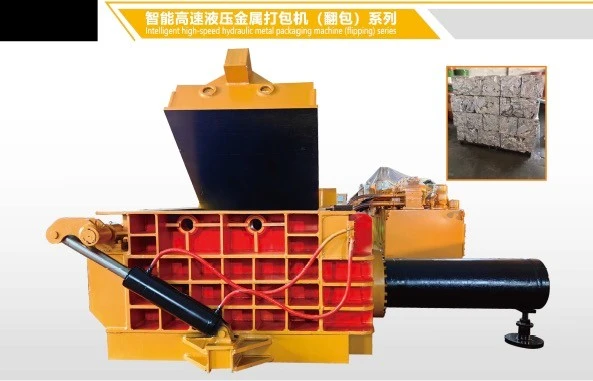
A metal scrap bailer is a machine used to compress metal scrap into compact bales. This process not only makes it easier to transport and store the scrap but also increases its density, which can improve its value in the recycling market. The bailer typically consists of a hydraulic system, a compression chamber, and a control panel.
The hydraulic system is the heart of the bailer, providing the force needed to compress the metal scrap. It is powered by an electric motor, which drives a hydraulic pump. The pump pressurizes the hydraulic fluid, which is then used to actuate the cylinders that apply the compression force.
Factors Affecting Energy Consumption
Several factors can influence the energy consumption of a metal scrap bailer. Understanding these factors can help operators optimize the machine's performance and reduce energy costs.
1. Type and Size of the Bailer
There are different types and sizes of metal scrap bailers available on the market, each with its own energy requirements. Larger bailers generally require more energy to operate because they have more powerful hydraulic systems and larger compression chambers. Additionally, the type of bailer, such as vertical or horizontal, can also affect energy consumption. Vertical bailers typically require less energy to load and unload the bales, but they may require more energy to compress the scrap due to the force of gravity.
2. Material Being Compressed
The type and density of the metal scrap being compressed can also have a significant impact on energy consumption. For example, compressing high-density metals such as steel will require more energy than compressing low-density metals such as aluminum. Additionally, the shape and size of the scrap can also affect the compression process. Irregularly shaped scrap may require more energy to compress than uniform pieces.
3. Compression Force
The compression force applied by the bailer is another important factor in energy consumption. Higher compression forces result in more compact bales but also require more energy to achieve. The optimal compression force will depend on the type of metal scrap being compressed and the desired bale density. Operators should aim to find the right balance between compression force and energy consumption to maximize efficiency.
4. Operating Frequency
The frequency at which the bailer is operated can also affect energy consumption. Machines that are operated continuously will consume more energy than those that are used intermittently. Operators should consider the production requirements and schedule the operation of the bailer accordingly to minimize energy waste.
Measuring and Monitoring Energy Consumption
To effectively manage the energy consumption of a metal scrap bailer, it is important to measure and monitor its energy usage. This can be done using energy meters or other monitoring devices. By tracking the energy consumption over time, operators can identify trends and patterns and make adjustments to optimize the machine's performance.
In addition to monitoring the overall energy consumption, it is also important to monitor the energy consumption of individual components, such as the hydraulic system and the electric motor. This can help identify any inefficiencies or malfunctions that may be contributing to higher energy usage.
Strategies to Reduce Energy Consumption
There are several strategies that can be implemented to reduce the energy consumption of a metal scrap bailer. These include:
1. Optimizing Compression Settings
As mentioned earlier, finding the right balance between compression force and energy consumption is crucial. Operators should experiment with different compression settings to determine the optimal level for the type of metal scrap being compressed. This may involve adjusting the pressure, speed, and duration of the compression cycle.
2. Regular Maintenance
Regular maintenance of the bailer is essential to ensure its efficient operation. This includes checking and replacing worn-out parts, lubricating moving components, and cleaning the hydraulic system. A well-maintained machine will operate more smoothly and consume less energy.

3. Using Energy-Efficient Components
When purchasing a metal scrap bailer, it is important to consider the energy efficiency of the components. Look for machines that are equipped with energy-efficient motors, pumps, and control systems. These components can significantly reduce energy consumption without sacrificing performance.
4. Implementing Energy Management Systems
Energy management systems can help optimize the operation of the bailer and reduce energy consumption. These systems use sensors and controllers to monitor and adjust the machine's operation based on factors such as production demand, energy prices, and environmental conditions.
The Role of Energy Efficiency in the Recycling Industry
In addition to reducing energy costs, improving the energy efficiency of metal scrap bailers is also important for the environment. The recycling industry plays a crucial role in conserving natural resources and reducing greenhouse gas emissions. By using energy-efficient equipment, recyclers can further reduce their environmental impact and contribute to a more sustainable future.
Related Products for Metal Recycling
In addition to [link text="Metal Scrap Bailer" url="/auxiliary-machines/metal-scrap-bailer.html"]Metal Scrap Bailers[/link], our company also offers other high-quality equipment for the metal recycling industry. For example, our [link text="Automatic Molten Aluminum Refining Machine" url="/auxiliary-machines/automatic-molten-aluminum-refining-machine.html"]Automatic Molten Aluminum Refining Machine[/link] is designed to remove impurities from molten aluminum, improving its quality and value. Our [link text="Automatic Aluminum Billet Cutting Machine" url="/auxiliary-machines/automatic-aluminum-billet-cutting-machine.html"]Automatic Aluminum Billet Cutting Machine[/link] is used to cut aluminum billets into precise lengths, increasing productivity and efficiency.
Contact Us for More Information
If you are interested in learning more about our [link text="Metal Scrap Bailer" url="/auxiliary-machines/metal-scrap-bailer.html"]Metal Scrap Bailers[/link] or other products for the metal recycling industry, please feel free to contact us. Our team of experts is ready to provide you with detailed information and help you find the right solution for your needs. Whether you are a small recycling business or a large industrial enterprise, we have the products and services to meet your requirements.
References
- "Energy Efficiency in the Metal Recycling Industry." Journal of Sustainable Manufacturing, Vol. 10, No. 2, 2023.
- "Optimizing the Energy Consumption of Hydraulic Systems in Industrial Equipment." International Journal of Hydraulic Engineering, Vol. 15, No. 3, 2022.
- "The Impact of Material Properties on the Compression Process in Metal Scrap Bailers." Journal of Materials Recycling, Vol. 8, No. 4, 2021.