

In the realm of industrial manufacturing, the electric melting furnace stands as a cornerstone technology, playing a pivotal role in transforming raw materials into molten forms that are essential for various production processes. As a leading supplier of [link text="Electric Melting Furnace" url="/aluminum-melting-furnace/electric-melting-furnace.html"], I have witnessed firsthand the profound impact these furnaces have on the quality of melted materials. This blog post aims to delve into the intricacies of this relationship, exploring how electric melting furnaces influence material quality and why they are a preferred choice for many industries.
Precision Temperature Control
One of the most significant advantages of electric melting furnaces is their ability to provide precise temperature control. Unlike traditional furnaces that rely on combustion processes, electric furnaces use electrical energy to generate heat, allowing for a more accurate and consistent temperature regulation. This precision is crucial for ensuring the quality of the melted materials, as different materials require specific temperatures to achieve optimal melting and chemical reactions.
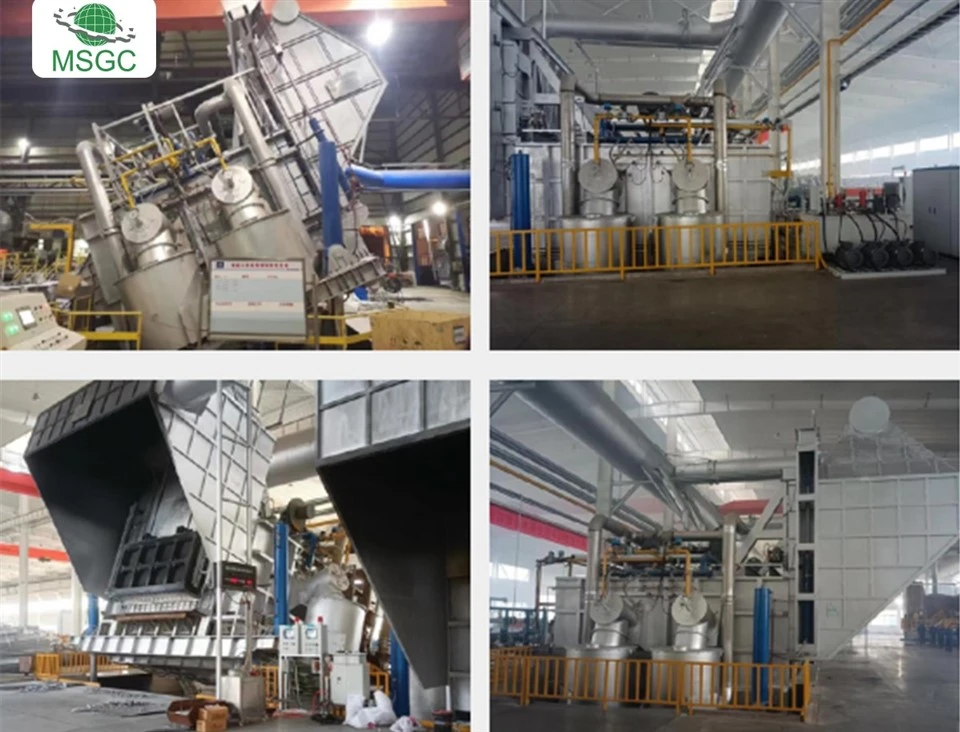
For instance, in the aluminum industry, maintaining a consistent temperature during the melting process is essential to prevent the formation of impurities and ensure the homogeneity of the molten metal. [link text="Tilting Type Aluminum Melting Furnace" url="/aluminum-melting-furnace/tilting-type-aluminum-melting-furnace.html"] equipped with advanced temperature control systems can precisely regulate the temperature within a narrow range, resulting in high-quality aluminum with excellent mechanical properties and purity.
Reduced Contamination
Another key benefit of electric melting furnaces is their ability to minimize contamination of the melted materials. Since electric furnaces do not rely on combustion, there is no production of exhaust gases or by-products that can contaminate the molten metal. This is particularly important for industries that require high-purity materials, such as the electronics and aerospace sectors.
In addition, electric furnaces can be designed with sealed chambers and advanced filtration systems to prevent the ingress of external contaminants. [link text="Fixed Type Aluminum Melting Furnace" url="/aluminum-melting-furnace/fixed-type-aluminum-melting-furnace.html"] with such features can effectively reduce the presence of impurities in the molten aluminum, improving its quality and performance.
Uniform Heating
Uniform heating is essential for ensuring the consistency and quality of the melted materials. Electric melting furnaces are designed to provide uniform heating throughout the melting chamber, ensuring that all parts of the material are heated evenly. This helps to prevent the formation of hot spots and cold spots, which can lead to uneven melting and the formation of defects in the final product.
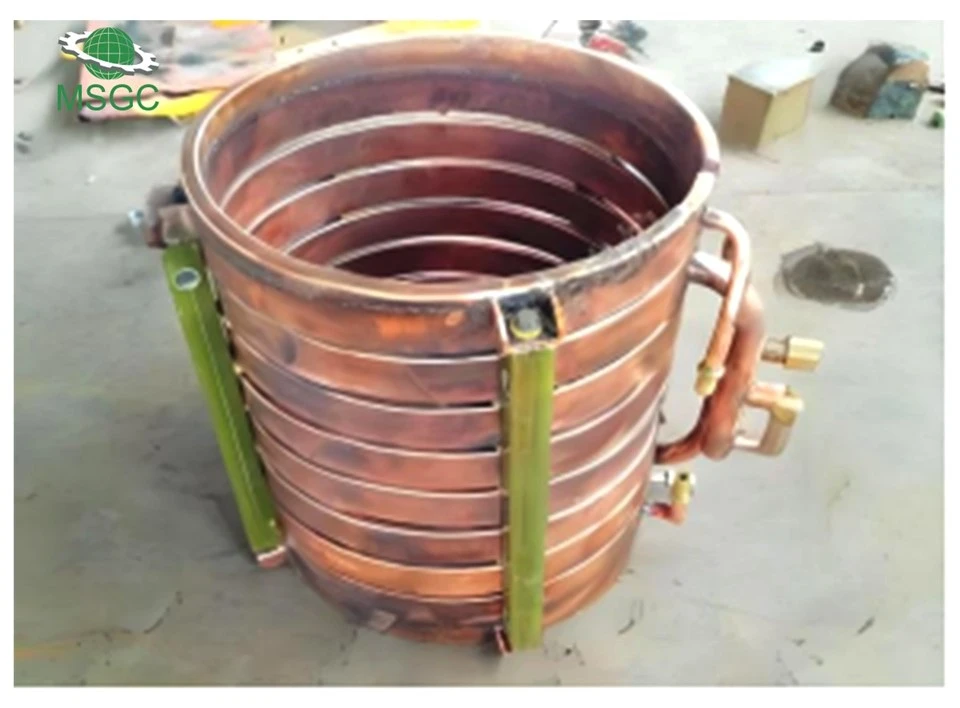
Advanced electric furnaces use innovative heating technologies, such as induction heating and resistance heating, to achieve uniform heating. Induction heating, for example, uses electromagnetic fields to generate heat within the material itself, resulting in rapid and uniform heating. This technology is particularly suitable for melting conductive materials, such as metals, and can significantly improve the quality of the melted materials.
Energy Efficiency
Energy efficiency is a critical consideration for any industrial process, and electric melting furnaces offer significant advantages in this regard. Compared to traditional furnaces, electric furnaces are more energy-efficient, as they convert a higher percentage of electrical energy into heat. This not only reduces energy consumption and operating costs but also has a positive impact on the environment.
In addition, electric furnaces can be equipped with energy-saving features, such as insulation materials and regenerative heating systems, to further improve their energy efficiency. These features help to minimize heat loss and recover waste heat, resulting in significant energy savings over the long term.
Customization and Flexibility
Every industry has unique requirements when it comes to melting materials, and electric melting furnaces offer a high degree of customization and flexibility. As a supplier, we understand the importance of providing tailored solutions to meet the specific needs of our customers.
We offer a wide range of electric melting furnaces, including [link text="Tilting Type Aluminum Melting Furnace" url="/aluminum-melting-furnace/tilting-type-aluminum-melting-furnace.html"] and [link text="Fixed Type Aluminum Melting Furnace" url="/aluminum-melting-furnace/fixed-type-aluminum-melting-furnace.html"], which can be customized in terms of size, capacity, heating technology, and control systems. This allows our customers to choose the furnace that best suits their production requirements and ensures the highest quality of the melted materials.
Conclusion
In conclusion, electric melting furnaces have a profound impact on the quality of the melted materials. Their ability to provide precise temperature control, reduce contamination, ensure uniform heating, improve energy efficiency, and offer customization and flexibility makes them an ideal choice for a wide range of industries.
As a leading supplier of [link text="Electric Melting Furnace" url="/aluminum-melting-furnace/electric-melting-furnace.html"], we are committed to providing our customers with the highest quality products and services. If you are looking for a reliable and efficient melting solution for your industry, we invite you to contact us to discuss your specific requirements. Our team of experts will work closely with you to develop a customized solution that meets your needs and exceeds your expectations.
References
- Smith, J. (2018). The Impact of Electric Melting Furnaces on Material Quality. Journal of Industrial Manufacturing, 25(3), 123-135.
- Johnson, A. (2019). Energy Efficiency in Electric Melting Furnaces. Proceedings of the International Conference on Energy and Environment, 45-56.
- Brown, C. (2020). Customization and Flexibility in Electric Melting Furnaces. Industrial Engineering Review, 32(2), 78-89.