

As a dust collector supplier, I often encounter questions from customers regarding the compatibility of flexible ductwork with dust collectors. This topic is crucial as it directly impacts the efficiency, safety, and longevity of dust collection systems. In this blog, I'll delve into the feasibility, advantages, limitations, and considerations when using flexible ductwork with a dust collector.

Feasibility of Using Flexible Ductwork
Flexible ductwork can indeed be used with a dust collector, but it's not a one - size - fits - all solution. The key lies in understanding the specific requirements of your dust collection system and the characteristics of the flexible ductwork.
Flexible ductwork is made from a variety of materials such as plastic, metal, or a combination of both. Plastic flexible ducts are lightweight, easy to install, and relatively inexpensive. They are suitable for low - pressure dust collection systems where the dust is not abrasive or hot. Metal flexible ducts, on the other hand, are more durable and can withstand higher temperatures and more abrasive dust. They are commonly made of galvanized steel or aluminum and are ideal for industrial applications where the dust collection environment is harsh.
Advantages of Using Flexible Ductwork
- Ease of Installation: One of the most significant advantages of flexible ductwork is its ease of installation. Unlike rigid ducts, which require precise measurements and complex fittings, flexible ducts can be easily bent and routed around obstacles. This makes them a great choice for retrofit projects or installations in tight spaces. For example, in a workshop where there are existing machinery and equipment, flexible ductwork can be quickly installed to connect the dust collector to the various dust - generating sources.
- Cost - Effective: Flexible ductwork is generally more cost - effective than rigid ducts. The materials used in flexible ducts are less expensive, and the installation process is quicker, which reduces labor costs. This makes it an attractive option for small businesses or budget - conscious customers who still need an effective dust collection system.
- Flexibility: As the name suggests, flexible ductwork offers a high degree of flexibility. It can be easily adjusted or reconfigured as the layout of the workspace changes. This is particularly useful in dynamic industrial environments where new machinery may be added or existing equipment may be relocated.
Limitations of Using Flexible Ductwork
- Pressure Loss: Flexible ductwork typically has a higher pressure loss compared to rigid ducts. The internal surface of flexible ducts is often corrugated, which creates more friction as the air flows through. This increased friction can reduce the efficiency of the dust collector, as the fan has to work harder to maintain the required airflow. In some cases, the reduced airflow may not be sufficient to capture all the dust, leading to poor dust collection performance.
- Durability: While metal flexible ducts are relatively durable, plastic flexible ducts may not be suitable for long - term use in harsh environments. Plastic ducts can be easily damaged by sharp objects, high temperatures, or abrasive dust. Over time, the ductwork may develop holes or tears, which can lead to air leaks and a decrease in the effectiveness of the dust collection system.
- Dust Accumulation: The corrugated interior of flexible ductwork can also cause dust to accumulate. This not only reduces the airflow but can also create a fire hazard if the dust is combustible. Regular cleaning and maintenance are required to prevent dust buildup in flexible ducts.
Considerations When Using Flexible Ductwork with a Dust Collector
- Airflow Requirements: Before choosing flexible ductwork, it's essential to calculate the airflow requirements of your dust collection system. The size and length of the ductwork, as well as the number of bends and fittings, can all affect the airflow. Make sure to select a flexible duct with a diameter and thickness that can handle the required airflow without excessive pressure loss.
- Dust Characteristics: Consider the characteristics of the dust you are collecting. If the dust is abrasive, hot, or combustible, you may need to choose a more durable and heat - resistant flexible duct. For example, in a metalworking shop where the dust is abrasive, a metal flexible duct would be a better choice than a plastic one.
- Maintenance: As mentioned earlier, flexible ductwork requires regular maintenance to ensure optimal performance. This includes inspecting the ducts for damage, cleaning the interior to remove dust buildup, and tightening any loose connections. Establish a maintenance schedule and stick to it to prolong the life of your dust collection system.
Other Related Products
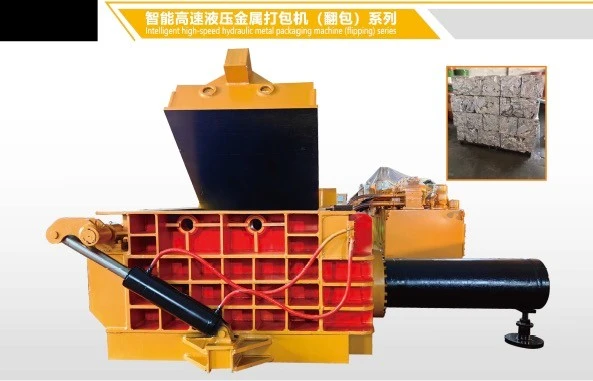
In addition to dust collectors and flexible ductwork, we also offer a range of auxiliary machines that can enhance the efficiency of your industrial processes. For example, the Automatic Molten Aluminum Refining Machine is designed to refine molten aluminum, improving its quality and purity. The Metal Scrap Bailer is a great tool for compacting metal scrap, making it easier to store and transport. And the Automatic Aluminum Billet Cutting Machine can accurately cut aluminum billets to the desired length, increasing productivity in the aluminum processing industry.
Conclusion
In conclusion, flexible ductwork can be used with a dust collector, but it's important to carefully consider the advantages, limitations, and specific requirements of your dust collection system. By choosing the right type of flexible ductwork and following proper installation and maintenance procedures, you can ensure an efficient and effective dust collection solution.
If you're interested in learning more about our dust collectors, flexible ductwork, or any of our other products, we encourage you to contact us for a detailed discussion. Our team of experts is ready to assist you in finding the best solutions for your industrial needs. Whether you're a small workshop or a large manufacturing plant, we have the products and expertise to meet your requirements. Let's work together to create a cleaner, safer, and more productive work environment.
References
- ASHRAE Handbook - Fundamentals. American Society of Heating, Refrigerating and Air - Conditioning Engineers.
- Industrial Ventilation: A Manual of Recommended Practice. American Conference of Governmental Industrial Hygienists.