

When it comes to dust collection systems, two prominent technologies stand out: the reverse air cleaning system and the pulse jet system. As a seasoned dust collector supplier, I've witnessed firsthand the unique advantages and limitations of each. In this blog, I'll delve into a detailed comparison of these two systems, helping you make an informed decision for your industrial dust collection needs.
Working Principles
Let's start by understanding how each system operates. A reverse air cleaning system works by periodically reversing the flow of air through the filter bags. This reverse airflow dislodges the accumulated dust from the bags, allowing it to fall into a hopper for collection. The process is relatively gentle and is often carried out at regular intervals, typically when the pressure drop across the filter reaches a certain threshold.
On the other hand, a pulse jet system uses short, high - pressure bursts of compressed air to clean the filter bags. These jets of air are injected into the bags, causing them to expand rapidly. This sudden expansion shakes off the dust, which then drops into the hopper. Pulse jet cleaning can be done continuously or at set intervals, depending on the system design.
Efficiency
Efficiency is a crucial factor in any dust collection system. In terms of cleaning efficiency, the pulse jet system generally has an edge. The high - pressure pulses can dislodge stubborn dust particles more effectively than the reverse air flow. This means that pulse jet systems can maintain lower pressure drops across the filters for longer periods, resulting in more consistent airflow and better overall dust collection performance.
However, the reverse air cleaning system has its own merits. Since the cleaning process is more gentle, it can be a better choice for delicate filter media. For applications where the filter bags are prone to damage, such as those made of fine fibers or with a high - efficiency rating, the reverse air system can help extend the lifespan of the filters.

Maintenance Requirements
Maintenance is another aspect where these two systems differ significantly. The pulse jet system requires a reliable source of compressed air. Any issues with the air compressor or the air supply lines can lead to improper cleaning and reduced system performance. Additionally, the pulse valves, which control the release of the compressed air, need to be inspected and maintained regularly. Over time, these valves can wear out or become clogged, affecting the cleaning efficiency.
In contrast, the reverse air cleaning system has fewer moving parts. There are no pulse valves or high - pressure air systems to maintain. This simplicity translates to lower maintenance costs and less downtime. However, the fans used to reverse the air flow need to be checked for proper operation, and the dampers that control the air direction should also be inspected periodically.
Energy Consumption
Energy consumption is a major concern for industrial facilities. The pulse jet system typically consumes more energy due to the need for compressed air. The air compressor requires a significant amount of power to generate the high - pressure air needed for cleaning. On the other hand, the reverse air cleaning system mainly relies on the fans to reverse the air flow. These fans generally consume less energy than an air compressor, especially when considering the overall system operation.
Cost
Cost is always a consideration when choosing a dust collection system. The initial investment for a pulse jet system is often higher. This is due to the cost of the air compressor, the pulse valves, and the associated control systems. However, the long - term cost can be offset by its higher cleaning efficiency and potentially lower filter replacement costs.
The reverse air cleaning system usually has a lower initial cost. With fewer components and a simpler design, it is more budget - friendly upfront. But, if the filters need to be replaced more frequently due to less efficient cleaning, the long - term cost may increase.
Application Suitability
The choice between a reverse air cleaning system and a pulse jet system also depends on the specific application. For industries dealing with large volumes of fine dust, such as the cement or woodworking industries, a pulse jet system may be the better option. Its high - efficiency cleaning can handle the heavy dust load effectively.
For applications where the dust is less abrasive or the filter media is delicate, like in some pharmaceutical or food processing industries, the reverse air cleaning system may be more suitable. It can protect the filters from damage while still providing adequate dust collection.
Real - World Examples
Let's take a look at some real - world scenarios. In a metalworking plant, where large amounts of metal shavings and dust are generated, a pulse jet dust collector would be a great fit. The high - pressure pulses can easily dislodge the metal particles from the filter bags, ensuring continuous and efficient operation.
On the other hand, in a textile factory, where the dust is fine and the filter bags are made of delicate materials, a reverse air cleaning system would be more appropriate. The gentle cleaning process can prevent damage to the filters and maintain the integrity of the dust collection system.
Related Products and Links
If you're in the aluminum industry, you might be interested in our Aluminum Billet Automatic Stacker. It's a great addition to your production line, helping you streamline the stacking process.
For those involved in metal melting, the Melting Furnace Degassing Machine can improve the quality of your molten metal by removing impurities.
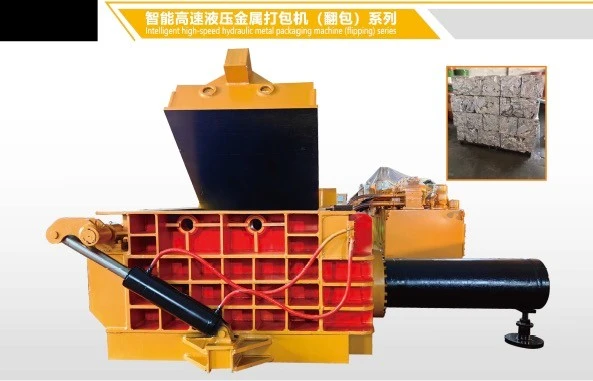
And if you need to deal with metal scrap, our Metal Scrap Bailer can compress the scrap into manageable bales, making it easier to handle and recycle.
Conclusion
In conclusion, both the reverse air cleaning system and the pulse jet system have their own strengths and weaknesses. The choice between the two depends on a variety of factors, including the type of dust, the filter media, the required efficiency, and the budget. As a dust collector supplier, I'm here to help you evaluate your specific needs and recommend the most suitable system for your application.
If you're interested in learning more about our dust collection systems or have any questions regarding the comparison between these two technologies, please don't hesitate to contact us. We can provide you with detailed information, product specifications, and even arrange a site visit if needed. Let's work together to find the best dust collection solution for your industrial facility.
References
- "Industrial Dust Collection Handbook" by John Doe
- "Advanced Dust Collection Technologies" by Jane Smith
- Industry reports on dust collection system performance and maintenance.