

Hey there! As a supplier of Vertical Powder Coating Line, I've seen firsthand how crucial it is to keep the conveyor running smoothly in a vertical powder coating line. A well - functioning conveyor can make or break the efficiency and quality of your powder coating process. So, let's dive into some tips on how to ensure that conveyor keeps on truckin'.
Regular Inspection and Maintenance
First things first, regular inspection and maintenance are non - negotiable. You can't just set it and forget it. Check the conveyor belts, chains, and rollers frequently. Look for signs of wear and tear, like fraying belts or loose chains. A small issue caught early can save you from a major breakdown later.
Inspect the alignment of the conveyor. Misaligned conveyors can cause products to move unevenly, leading to inconsistent powder coating. You can use simple tools like a straightedge to check if the conveyor is straight. Also, make sure the tension of the belts and chains is correct. Too loose, and they might slip; too tight, and they could wear out faster.
Lubrication is another key aspect of maintenance. The moving parts of the conveyor, such as bearings and joints, need proper lubrication to reduce friction. Use the right type of lubricant recommended by the manufacturer. Over - lubricating can attract dirt and debris, while under - lubricating can cause excessive wear.
Keep it Clean
A clean conveyor is a happy conveyor. Powder coating residue, dust, and other debris can build up on the conveyor over time. This buildup can affect the movement of the products and even damage the conveyor components.
Use a suitable cleaning agent to remove the powder coating residue. Make sure the cleaning agent is compatible with the conveyor materials. You can use a soft brush or a cloth to gently clean the conveyor belts, rollers, and other parts.
Regularly vacuum the area around the conveyor to prevent dust from settling on it. Also, keep the powder coating booth clean to minimize the amount of powder that escapes and lands on the conveyor.
Train Your Staff
Your staff plays a huge role in ensuring the smooth operation of the conveyor. Make sure they are well - trained on how to operate and maintain the conveyor. Provide them with proper training on safety procedures, as well.
Teach your staff how to load and unload products onto the conveyor correctly. Improper loading can cause the products to shift or fall off, which can damage the conveyor and the products themselves. They should also know how to recognize the signs of a potential problem with the conveyor, such as unusual noises or vibrations.
Encourage your staff to report any issues with the conveyor immediately. The sooner a problem is reported, the sooner it can be fixed.
Use Quality Components
When it comes to the conveyor in your vertical powder coating line, don't skimp on quality. Invest in high - quality conveyor belts, chains, rollers, and other components. Quality components are more durable and less likely to break down.
Look for components that are specifically designed for powder coating applications. These components are often made of materials that are resistant to powder coating residue and other chemicals used in the process.
If you need to replace a component, make sure to use a genuine part from the manufacturer. Using non - genuine parts can void the warranty and may not work as well as the original parts.
Monitor the Environment
The environment in which the conveyor operates can have a big impact on its performance. Keep the temperature and humidity in the powder coating area within the recommended range. Extreme temperatures and high humidity can affect the properties of the powder coating and the conveyor materials.
For example, high humidity can cause the powder coating to clump, which can clog the conveyor. Low temperatures can make the conveyor belts and chains more brittle, increasing the risk of breakage.
Also, protect the conveyor from direct sunlight and other sources of heat. Excessive heat can cause the conveyor components to expand and contract, leading to misalignment and other problems.
Invest in Automation and Monitoring Systems
Automation and monitoring systems can be a game - changer when it comes to ensuring the smooth operation of the conveyor. An automated conveyor system can control the speed, direction, and movement of the products more precisely.
Monitoring systems can track the performance of the conveyor in real - time. They can detect issues such as abnormal vibrations, changes in speed, or increased power consumption. These systems can send alerts to your staff when a problem is detected, allowing them to take immediate action.
For example, some monitoring systems use sensors to measure the temperature and pressure of the conveyor components. If the temperature or pressure goes beyond the normal range, an alert is sent.
Partner with a Reliable Supplier
As a Vertical Powder Coating Line supplier, I know how important it is to have a reliable partner. A good supplier can provide you with high - quality conveyor components, technical support, and training.
When choosing a supplier, look for one with a good reputation in the industry. Check their customer reviews and testimonials. A reliable supplier will also offer after - sales service, such as maintenance and repair.
They can also help you choose the right conveyor for your specific powder coating application. For example, if you are coating large or heavy products, you may need a conveyor with a higher load - capacity.
Consider Complementary Equipment
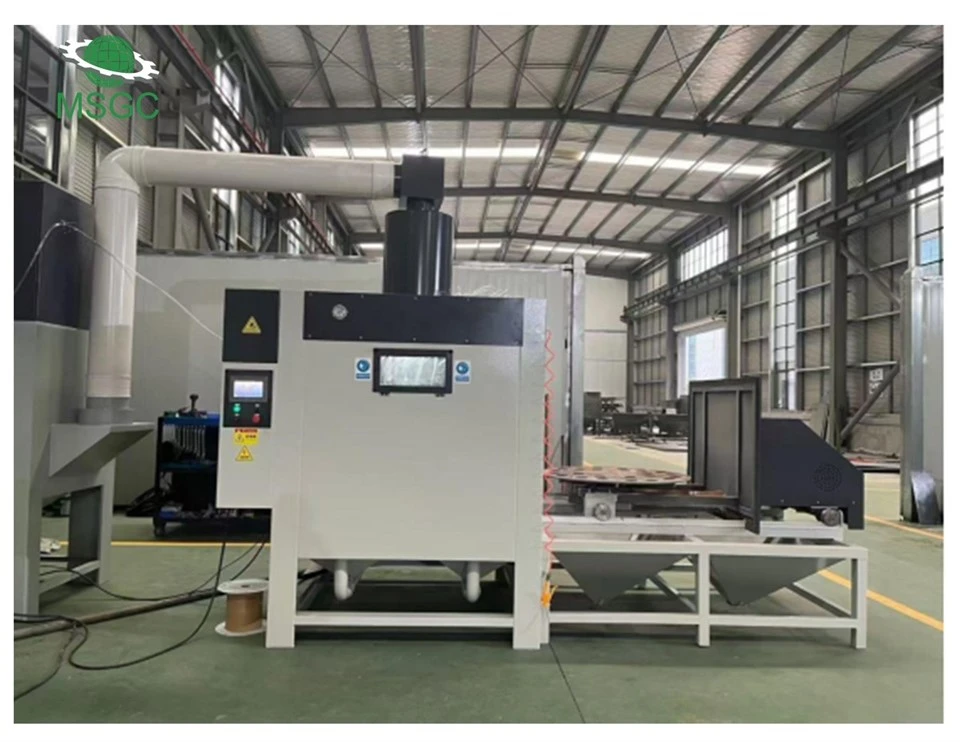
In addition to the conveyor itself, consider using complementary equipment to enhance its performance. For example, an Extrusion Dies Sand Blasting Machine can be used to prepare the products before powder coating. This can improve the adhesion of the powder coating and reduce the risk of issues during the coating process.
An Aluminum Profiles Sandblasting Machine is also useful if you are coating aluminum profiles. It can remove any surface impurities and create a rough surface for better powder coating adhesion.

Plan for Downtime
Despite your best efforts, there may still be times when the conveyor needs to be shut down for maintenance or repairs. Plan for these downtimes in advance.
Schedule regular maintenance during off - peak production times to minimize the impact on your production. Have a backup plan in place in case of an unexpected breakdown. For example, you could have a spare conveyor or some temporary alternative production methods.
In conclusion, ensuring the smooth operation of the conveyor in a vertical powder coating line requires a combination of regular inspection, maintenance, cleanliness, staff training, and the use of quality components. By following these tips, you can keep your conveyor running smoothly and improve the efficiency and quality of your powder coating process.
If you're interested in learning more about our Vertical Powder Coating Line or need help with your conveyor operation, don't hesitate to reach out. We're here to help you make the most of your powder coating process.
References
- Conveyor Belt Handbook, Manufacturer's Manual
- Powder Coating Best Practices Guide, Industry Association Publication
- Maintenance and Troubleshooting Guide for Industrial Conveyors, Technical Book