

As a supplier of Horizontal Anodizing Lines, I understand the critical importance of enhancing the wear resistance of anodized surfaces. Anodizing is a widely used electrochemical process that creates a protective oxide layer on the surface of metals, particularly aluminum. This layer not only improves corrosion resistance but also provides a base for better adhesion of paints and dyes. However, the wear resistance of the anodized surface can be a limiting factor in many applications, especially those subjected to high levels of friction, abrasion, or mechanical stress. In this blog, I will share some effective strategies and techniques to improve the wear resistance of the anodized surface in a Horizontal Anodizing Line.
Understanding the Anodizing Process in a Horizontal Anodizing Line
Before delving into the methods of improving wear resistance, it is essential to have a basic understanding of the anodizing process in a Horizontal Anodizing Line. In a horizontal setup, the aluminum profiles are transported horizontally through a series of treatment tanks, including degreasing, etching, anodizing, and sealing. The anodizing process involves immersing the aluminum workpiece in an electrolyte solution and passing an electric current through it. This causes the aluminum to react with oxygen in the electrolyte, forming a porous oxide layer on its surface.
The thickness and quality of the anodized layer depend on several factors, such as the type of electrolyte, the current density, the anodizing time, and the temperature. A thicker anodized layer generally provides better wear resistance, but it also requires more energy and time to produce. Therefore, finding the right balance between thickness and production efficiency is crucial.

Strategies to Improve Wear Resistance
1. Optimize the Anodizing Parameters
- Electrolyte Selection: The choice of electrolyte plays a significant role in determining the properties of the anodized layer. Sulfuric acid is the most commonly used electrolyte in anodizing due to its low cost and high efficiency. However, adding certain additives to the sulfuric acid electrolyte can improve the wear resistance of the anodized surface. For example, the addition of organic acids or metal salts can modify the structure of the oxide layer, making it more dense and hard.
- Current Density and Anodizing Time: Increasing the current density and anodizing time can result in a thicker anodized layer. However, excessive current density can cause burning or pitting on the surface, while too long an anodizing time can lead to a porous and brittle oxide layer. Therefore, it is important to optimize these parameters based on the specific requirements of the application.
- Temperature Control: Maintaining a stable temperature during the anodizing process is crucial for achieving a uniform and high-quality anodized layer. Higher temperatures can increase the growth rate of the oxide layer, but they can also reduce its hardness and wear resistance. Therefore, it is recommended to keep the temperature within a narrow range, typically between 18°C and 22°C.
2. Post - Anodizing Treatments
- Sealing: Sealing is an essential step in the anodizing process that fills the pores in the oxide layer, improving its corrosion resistance and wear resistance. There are several sealing methods available, including hot water sealing, nickel acetate sealing, and electrolytic sealing. Hot water sealing is the most common method, which involves immersing the anodized workpiece in hot water for a certain period of time. This causes the oxide layer to hydrate and form a more dense and stable structure.
- Hard Anodizing: Hard anodizing is a specialized anodizing process that produces a thicker and harder oxide layer compared to conventional anodizing. It is achieved by using a lower temperature, higher current density, and a different electrolyte composition. Hard anodized surfaces have excellent wear resistance, making them suitable for applications such as automotive parts, aerospace components, and industrial machinery.
3. Surface Preparation
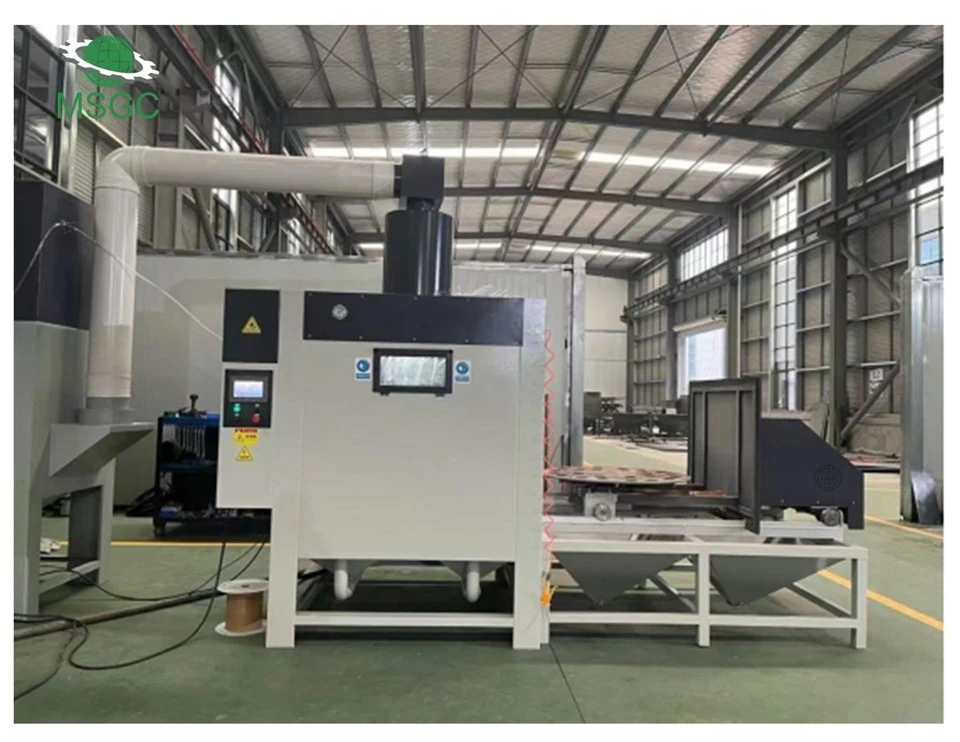
- Sandblasting: Sandblasting is a surface preparation technique that can improve the adhesion of the anodized layer and enhance its wear resistance. By blasting the aluminum surface with abrasive particles, it creates a rough surface texture that provides more surface area for the anodized layer to adhere to. You can find more information about Aluminum Profiles Sandblasting Machine on our website.
- Extrusion Dies Sand Blasting: For aluminum extrusion dies, sandblasting can also be used to remove any surface contaminants and improve the surface finish. This helps to ensure a uniform anodized layer and better wear resistance. Check out our Extrusion Dies Sand Blasting Machine for more details.
- Washing: Thoroughly washing the aluminum workpiece before anodizing is essential to remove any dirt, oil, or grease from the surface. This can be done using an Aluminum Extrusion Dies Washing Mahcine to ensure a clean and uniform surface for anodizing.
Quality Control and Testing
To ensure the effectiveness of the strategies implemented to improve wear resistance, it is important to have a comprehensive quality control system in place. This includes regular testing of the anodized samples to measure their thickness, hardness, and wear resistance.
- Thickness Measurement: The thickness of the anodized layer can be measured using a variety of methods, such as eddy current testing, ultrasonic testing, or cross - sectional microscopy. A consistent and appropriate thickness is essential for achieving the desired wear resistance.
- Hardness Testing: Hardness testing can be performed using a hardness tester, such as a Vickers or Rockwell hardness tester. A harder anodized layer generally indicates better wear resistance.
- Wear Testing: Wear testing can be carried out using a wear tester, such as a pin - on - disc wear tester or a reciprocating wear tester. This allows you to simulate the actual wear conditions and evaluate the performance of the anodized surface.
Conclusion
Improving the wear resistance of the anodized surface in a Horizontal Anodizing Line requires a combination of optimized anodizing parameters, post - anodizing treatments, and proper surface preparation. By carefully controlling these factors and implementing a rigorous quality control system, you can produce anodized aluminum products with excellent wear resistance that meet the demanding requirements of various industries.
If you are interested in learning more about our Horizontal Anodizing Lines or need assistance in improving the wear resistance of your anodized products, please feel free to contact us for a procurement discussion. We are committed to providing you with the best solutions and high - quality equipment to meet your specific needs.
References
- ASM Handbook, Volume 5: Surface Engineering, ASM International.
- Anodizing of Aluminum, William H. Safranek, Finishing Publications Ltd.
- Aluminum Anodizing Technology, George Wernick and Ronald Pinner, ASM International.