

Paint sagging is a common and frustrating issue in painting and anodizing lines, which can significantly compromise the quality and aesthetics of the finished products. As a leading supplier of painting and anodizing lines, we understand the challenges that manufacturers face when dealing with paint sagging. In this blog post, we will share some effective strategies to prevent paint sagging and ensure a high - quality finish in your painting and anodizing processes.
Understanding Paint Sagging
Before we delve into the prevention methods, it's essential to understand what paint sagging is. Paint sagging occurs when the paint flows downward during the application or drying process, creating uneven, drippy, or streaky areas on the surface. This is often caused by factors such as incorrect paint viscosity, improper application techniques, environmental conditions, and the type of substrate.
Controlling Paint Viscosity
One of the primary causes of paint sagging is incorrect paint viscosity. If the paint is too thin, it will flow more easily and is more likely to sag. On the other hand, if the paint is too thick, it may not spread evenly and can lead to other application problems.

- Proper Mixing: Ensure that the paint is mixed thoroughly according to the manufacturer's instructions. This includes adding the correct amount of solvents or thinners. Using a viscosity cup is a simple and effective way to measure the paint viscosity. The ideal viscosity can vary depending on the type of paint and the application method. For example, spray - applied paints typically require a lower viscosity than brush - applied paints.
- Regular Checks: Continuously monitor the paint viscosity during the painting process. Changes in temperature and humidity can affect the viscosity of the paint. If you notice that the paint is starting to sag, adjust the viscosity by adding small amounts of solvent or thinner as needed.
Optimizing Application Techniques
The way the paint is applied plays a crucial role in preventing sagging. Here are some application techniques to consider:
- Spray Application: When using a spray gun, maintain the correct distance between the gun and the substrate. A distance that is too close can result in over - application of paint, increasing the risk of sagging. Generally, a distance of 6 - 8 inches is recommended for most spray guns. Also, use a consistent spraying pattern and overlap each pass slightly to ensure even coverage.
- Brush and Roller Application: For brush or roller application, use the right type of brush or roller for the paint and the substrate. A high - quality brush with the appropriate bristle stiffness can help control the amount of paint being applied. When using a roller, choose one with the correct nap length. A shorter nap is usually better for smooth surfaces, while a longer nap can be used for textured surfaces. Apply the paint in thin, even coats, and avoid overloading the brush or roller.
Controlling Environmental Conditions
The environment in which the painting takes place can have a significant impact on paint sagging. Temperature, humidity, and air circulation all play important roles.
- Temperature: Most paints have an optimal temperature range for application and drying. Painting in temperatures that are too low can slow down the drying process, increasing the likelihood of sagging. On the other hand, painting in extremely high temperatures can cause the paint to dry too quickly, leading to other issues such as cracking or poor adhesion. Aim to paint within the temperature range specified by the paint manufacturer, which is typically between 60°F and 80°F (15°C - 27°C).
- Humidity: High humidity can also slow down the drying process and increase the risk of sagging. If the humidity is too high, consider using a dehumidifier in the painting area. Conversely, very low humidity can cause the paint to dry too quickly. Maintaining a relative humidity of 40% - 60% is generally ideal for most painting applications.
- Air Circulation: Proper air circulation is essential for removing solvents from the paint and promoting even drying. However, too much air movement can cause the paint to dry too quickly on the surface while remaining wet underneath, leading to sagging. Use fans or ventilation systems to create a gentle, consistent airflow in the painting area.
Substrate Preparation
The condition of the substrate can affect how the paint adheres and dries. A poorly prepared substrate can contribute to paint sagging.
- Cleaning: Thoroughly clean the substrate to remove any dirt, grease, oil, or other contaminants. These substances can prevent the paint from adhering properly and can cause uneven drying, increasing the risk of sagging. Use a suitable cleaning agent and ensure that the substrate is completely dry before painting.
- Surface Roughness: The surface roughness of the substrate can also impact paint adhesion and sagging. A slightly rough surface can provide better adhesion for the paint. However, if the surface is too rough, it can trap air bubbles and lead to uneven paint application. Use sandpaper or other abrasives to achieve the appropriate surface roughness.
Using the Right Equipment
Investing in high - quality painting and anodizing equipment can make a significant difference in preventing paint sagging.
- Painting and Anodizing Lines: Our Vertical Powder Coating Line is designed to provide precise and even paint application. It features advanced technology that allows for better control of the paint flow and thickness, reducing the risk of sagging.
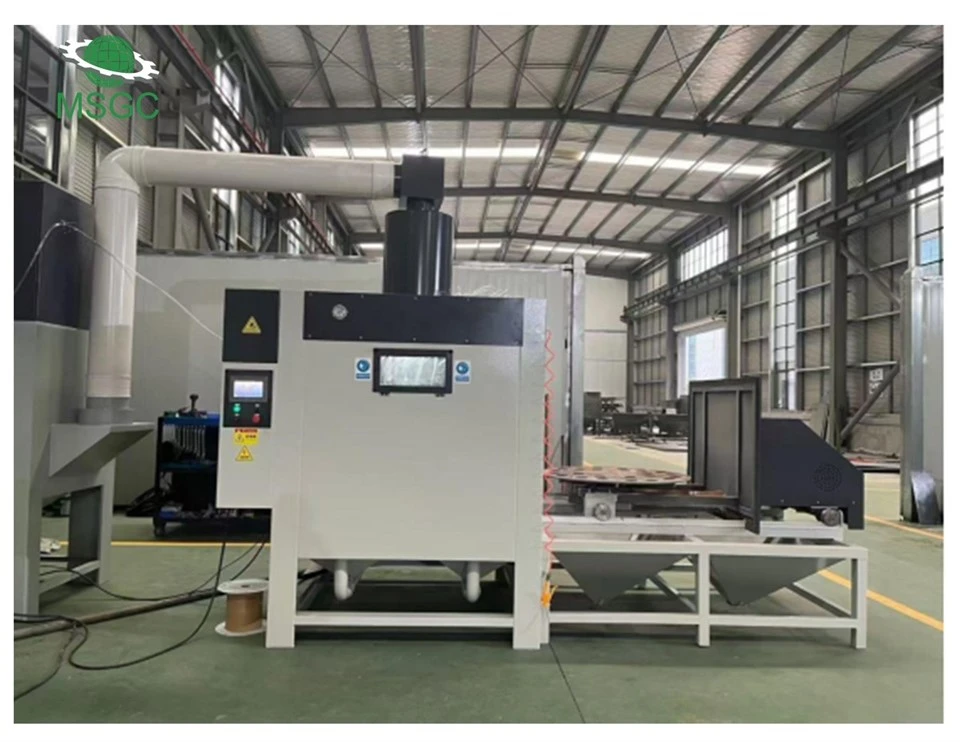
- Sand Blasting Machines: Proper surface preparation is essential for preventing paint sagging. Our Extrusion Dies Sand Blasting Machine and Aluminum Profiles Sandblasting Machine can effectively clean and roughen the substrate surface, ensuring better paint adhesion.
Employee Training
Well - trained employees are key to preventing paint sagging. Provide comprehensive training to your painting and anodizing operators on the proper use of equipment, paint application techniques, and environmental control.
- Regular Training Sessions: Conduct regular training sessions to keep your employees updated on the latest painting and anodizing techniques. This includes training on how to measure and adjust paint viscosity, how to use the painting equipment correctly, and how to recognize and address paint sagging issues.
- On - the - Job Training: Provide on - the - job training for new employees. Have experienced operators work alongside new hires to demonstrate the proper techniques and answer any questions they may have.
Conclusion
Preventing paint sagging in a painting and anodizing line requires a combination of proper paint viscosity control, optimized application techniques, environmental management, substrate preparation, the use of the right equipment, and employee training. By implementing these strategies, you can significantly improve the quality of your painted and anodized products.
If you are facing challenges with paint sagging or are looking to upgrade your painting and anodizing line, we are here to help. As a leading supplier of painting and anodizing lines, we have the expertise and the products to meet your needs. Contact us today to discuss your requirements and let's work together to achieve a high - quality finish for your products.
References
- "Painting Technology Handbook" by John Wiley & Sons
- Manufacturer's instructions for various paints and painting equipment
- Industry standards and guidelines for painting and anodizing processes