

Noise reduction in an Indirect Extrusion Press is a critical concern for both the operators' well - being and the overall efficiency of the manufacturing process. As a supplier of Indirect Extrusion Presses, I understand the challenges that come with high - level noise in these machines. In this blog, I will share some effective strategies to reduce the noise of an Indirect Extrusion Press.

Understanding the Sources of Noise in Indirect Extrusion Presses
Before we can address the noise issue, it's essential to understand where the noise comes from. In an Indirect Extrusion Press, noise can be generated from several sources. The mechanical components such as the hydraulic pumps, motors, and gears are significant noise producers. The high - pressure fluid flow in the hydraulic system also creates noise, especially when there are sudden changes in pressure or flow rate. Additionally, the impact between the ram and the billet during the extrusion process can generate loud noises.
Regular Maintenance and Lubrication
One of the most basic yet effective ways to reduce noise is through regular maintenance and proper lubrication. Over time, the mechanical components of the Indirect Extrusion Press can wear out, leading to increased friction and noise. By conducting regular inspections, we can identify worn - out parts such as bearings, gears, and seals and replace them promptly.
Proper lubrication is also crucial. Lubricants reduce friction between moving parts, which in turn reduces noise. For example, using high - quality hydraulic oil in the hydraulic system can minimize the noise caused by fluid flow. It's important to follow the manufacturer's recommendations regarding the type and frequency of lubrication.
Isolation and Damping
Isolation and damping techniques can significantly reduce the transmission of noise. Isolation involves separating the Indirect Extrusion Press from the surrounding environment using vibration - isolating materials. Rubber pads or springs can be placed under the press to absorb vibrations and prevent them from being transmitted to the floor and other structures.
Damping materials can be applied to the surfaces of the press to reduce the amplitude of vibrations. These materials work by converting the mechanical energy of vibrations into heat energy. For instance, damping sheets can be attached to the sides of the press to absorb the noise generated by the mechanical components.
Hydraulic System Optimization
The hydraulic system is a major source of noise in an Indirect Extrusion Press. Optimizing the hydraulic system can lead to significant noise reduction. One way to do this is by using low - noise hydraulic pumps. These pumps are designed to operate with less noise compared to traditional pumps.
Another aspect of hydraulic system optimization is to ensure proper flow control. By using flow control valves, we can regulate the flow rate of the hydraulic fluid, reducing sudden pressure changes and the associated noise. Additionally, maintaining the correct pressure in the hydraulic system is crucial. Over - pressurization can cause excessive noise and also lead to premature wear of the components.
Enclosure Design
Designing an enclosure for the Indirect Extrusion Press can be an effective way to contain the noise. The enclosure should be made of sound - absorbing materials such as acoustic panels. These panels can absorb a significant amount of the noise generated by the press.
The enclosure should also be well - sealed to prevent noise from leaking out. However, it's important to ensure proper ventilation within the enclosure to prevent overheating of the press components. The enclosure can be designed with access doors and windows for maintenance and monitoring purposes.
Operator Training
Proper operator training is often overlooked but is an important factor in noise reduction. Operators should be trained to operate the Indirect Extrusion Press in a way that minimizes noise. For example, they should be taught to start and stop the press smoothly, avoiding sudden movements that can generate loud noises.
Operators should also be trained to recognize abnormal noises and report them immediately. Early detection of abnormal noises can help prevent more serious problems and reduce the overall noise level in the long run.
The Role of Our Products in Noise Reduction
As a supplier of Indirect Extrusion Presses, we are committed to providing solutions that help reduce noise. Our Indirect Extrusion Press is designed with noise reduction in mind. We use advanced technologies and high - quality materials to minimize the noise generated by the press.
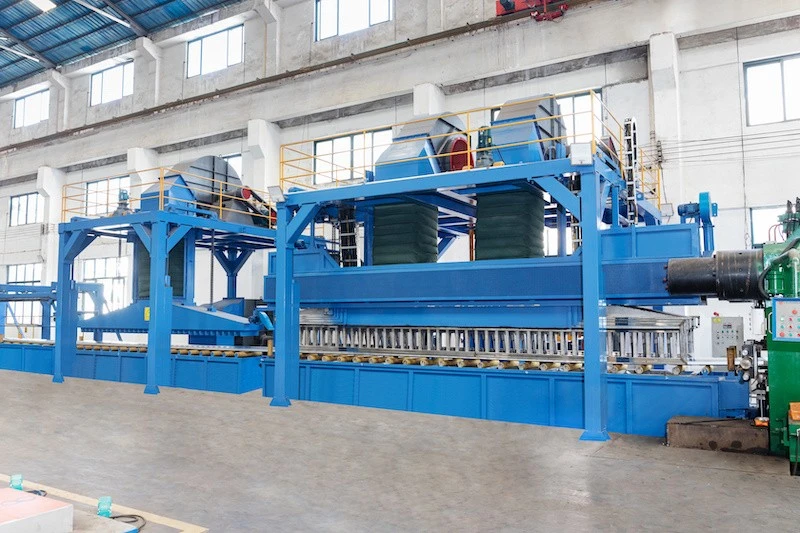
Our Aluminum Profiles Online Quenching Tank is another product that plays a role in the overall extrusion process. By ensuring a smooth and efficient quenching process, it can contribute to reducing the overall noise in the manufacturing environment.
In addition, our Double Puller is designed to operate with minimal noise. It provides a stable and efficient pulling force, which helps to reduce the noise associated with the extrusion process.
Conclusion
Reducing the noise of an Indirect Extrusion Press is a multi - faceted challenge that requires a comprehensive approach. By implementing regular maintenance, isolation and damping techniques, hydraulic system optimization, enclosure design, and operator training, we can significantly reduce the noise level.
As a supplier, we are dedicated to providing high - quality products and solutions that help our customers achieve a quieter and more efficient manufacturing environment. If you are interested in learning more about our Indirect Extrusion Presses and how they can help you reduce noise, please feel free to contact us for a procurement discussion.
References
- Smith, J. (2018). Noise Reduction in Industrial Machinery. Industrial Press.
- Brown, A. (2019). Hydraulic System Design for Low - Noise Operation. Hydraulic Engineering Journal.
- Johnson, M. (2020). Operator Training for Noise Reduction in Manufacturing. Manufacturing Technology Review.