

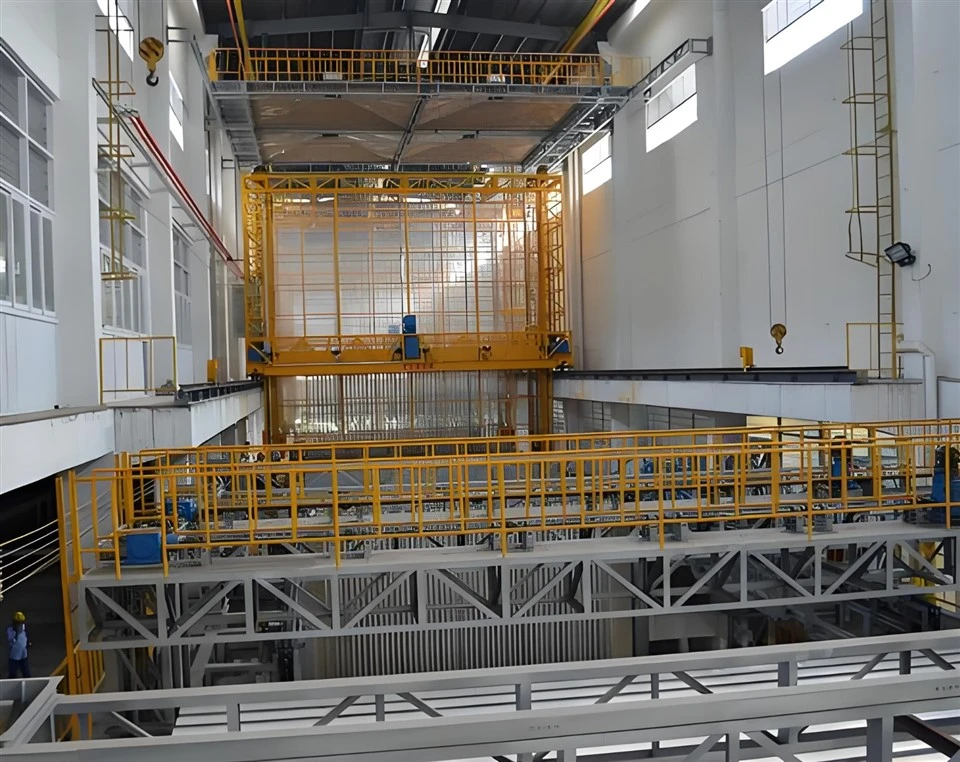
As a supplier of Vertical Anodizing Lines, I've had the privilege of witnessing the significant role these systems play in various industries. Anodizing is an electrochemical process that enhances the surface properties of metals, particularly aluminum, by creating a durable oxide layer. Vertical Anodizing Lines are designed to handle large and irregularly shaped workpieces, offering a more efficient and uniform anodizing solution compared to other methods. In this blog, I'll delve into the energy consumption characteristics of a Vertical Anodizing Line, exploring the factors that influence energy use and how to optimize it.
Energy - Consuming Components in a Vertical Anodizing Line
Electrochemical Reactors
The heart of the anodizing process is the electrochemical reactor, where the actual anodizing occurs. This component requires a substantial amount of electrical energy to drive the oxidation reaction. The energy consumption here is directly related to the current density, reaction time, and the surface area of the workpieces being anodized. A higher current density generally leads to a faster anodizing process but also increases energy consumption. For example, if the current density is set too high, more energy is wasted in generating heat rather than contributing to the formation of the oxide layer.
Pumping Systems
Pumping systems are crucial for circulating the electrolyte solutions throughout the anodizing line. These pumps ensure that the electrolyte reaches all parts of the workpieces evenly, maintaining a consistent anodizing process. The energy consumption of pumping systems depends on the flow rate, pressure requirements, and the efficiency of the pumps themselves. Older or inefficient pumps may consume more energy to achieve the same flow rate as newer, high - efficiency models.
Heating and Cooling Systems
Maintaining the optimal temperature of the electrolyte is essential for a successful anodizing process. Heating systems are used to warm up the electrolyte to the required temperature, especially in colder environments. On the other hand, cooling systems are necessary to remove the heat generated during the electrochemical reaction. Both heating and cooling systems consume a significant amount of energy. The energy consumption of these systems is influenced by the ambient temperature, the volume of the electrolyte, and the desired temperature range.
Lighting and Control Systems
Although the energy consumption of lighting and control systems is relatively small compared to the other components, it still contributes to the overall energy use of the Vertical Anodizing Line. Modern control systems are designed to monitor and regulate the various processes in the anodizing line, ensuring efficient operation. However, these systems need to be powered continuously, and energy - efficient lighting options should be chosen to minimize energy waste.
Factors Influencing Energy Consumption
Workpiece Size and Quantity
The size and quantity of the workpieces being anodized have a direct impact on energy consumption. Larger workpieces require more electrical energy to anodize due to their increased surface area. Similarly, a higher quantity of workpieces means a longer anodizing process, which in turn consumes more energy. For example, if a Vertical Anodizing Line is designed to handle small workpieces but is suddenly tasked with anodizing large panels, the energy consumption will increase significantly.
Anodizing Process Parameters
The anodizing process parameters, such as current density, voltage, and reaction time, play a crucial role in determining energy consumption. As mentioned earlier, a higher current density leads to increased energy use. Additionally, longer reaction times require more energy to maintain the electrochemical reaction. Therefore, optimizing these parameters is essential to reduce energy consumption without compromising the quality of the anodized finish.
Equipment Efficiency
The efficiency of the equipment used in the Vertical Anodizing Line has a significant impact on energy consumption. Newer equipment with advanced technologies is generally more energy - efficient than older models. For instance, high - efficiency pumps can reduce the energy required for electrolyte circulation, and modern heating and cooling systems can maintain the desired temperature with less energy input.
Strategies to Optimize Energy Consumption
Process Optimization
Optimizing the anodizing process parameters is one of the most effective ways to reduce energy consumption. By conducting experiments and analyzing the results, operators can determine the optimal current density, voltage, and reaction time for different types of workpieces. This not only reduces energy use but also improves the quality of the anodized finish.
Equipment Upgrades
Investing in energy - efficient equipment is a long - term solution to reduce energy consumption. Upgrading pumps, heating and cooling systems, and electrochemical reactors to more efficient models can lead to significant energy savings over time. For example, replacing an old pump with a variable - speed pump allows for better control of the flow rate, reducing energy waste.
Energy Management Systems
Implementing an energy management system can help monitor and control the energy consumption of the Vertical Anodizing Line. These systems can collect data on energy use, identify areas of high consumption, and provide recommendations for improvement. By using real - time data, operators can make informed decisions to optimize energy use.
Comparison with Other Related Equipment
When comparing the energy consumption of a Vertical Anodizing Line with other related equipment, such as the Horizontal Powder Coating Line and the Extrusion Dies Sand Blasting Machine, it's important to note that each process has its own unique energy requirements.
The Horizontal Powder Coating Line primarily consumes energy for powder spraying, curing, and ventilation. The energy consumption of this system depends on the size of the workpieces, the type of powder used, and the curing temperature. In general, the energy consumption of a powder coating line may be lower than that of a Vertical Anodizing Line, especially if the powder coating process is optimized.
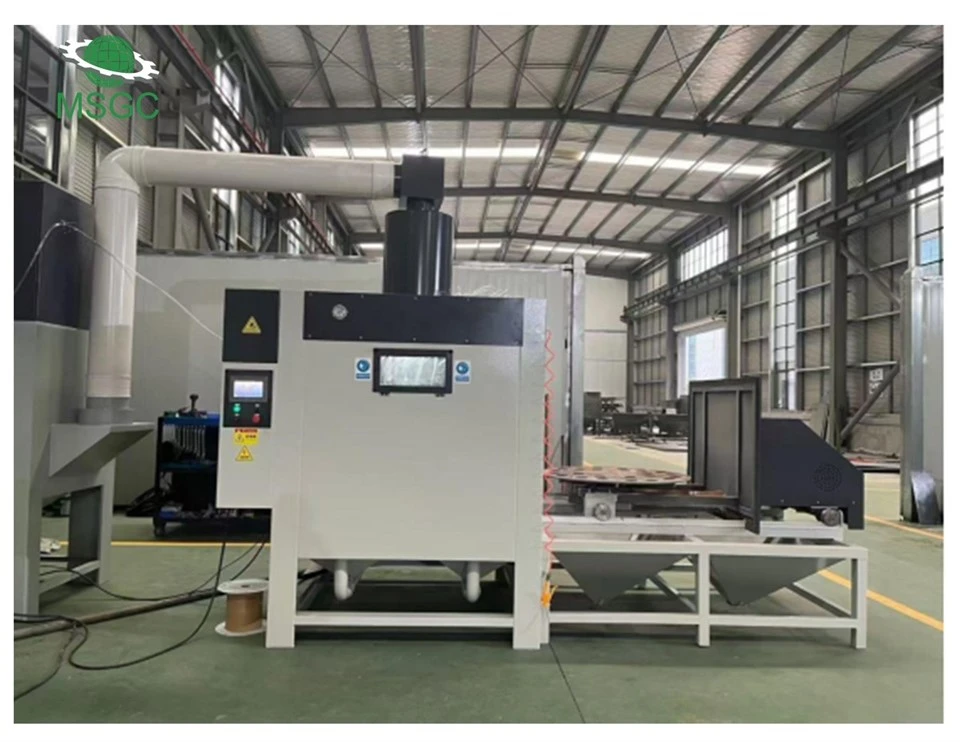
The Extrusion Dies Sand Blasting Machine uses energy to power the blasting media and the ventilation system. The energy consumption of this machine is mainly determined by the blasting pressure, the type of blasting media, and the duration of the blasting process. Compared to a Vertical Anodizing Line, the energy consumption of a sand - blasting machine may be relatively lower, but it still requires careful management to minimize energy waste.
Conclusion
Understanding the energy consumption characteristics of a Vertical Anodizing Line is essential for both suppliers and users. By identifying the energy - consuming components, factors influencing energy use, and implementing strategies to optimize energy consumption, it's possible to reduce operating costs and improve the environmental performance of the anodizing process. As a supplier of Vertical Anodizing Lines, we are committed to providing energy - efficient solutions and helping our customers achieve sustainable anodizing operations.
If you are interested in learning more about our Vertical Anodizing Lines or have any questions regarding energy optimization, please feel free to contact us for a detailed discussion and procurement negotiation. We look forward to working with you to meet your anodizing needs.
References
- "Anodizing of Aluminum and Its Alloys" by ASM International
- "Energy - Efficient Industrial Processes" by the International Energy Agency
- "Handbook of Surface Engineering" edited by Terence Bell