

Hey there! As a supplier of Horizontal Anodizing Lines, I'm super excited to share with you the quality control measures we take during the production process. Anodizing is a crucial surface treatment process that enhances the durability and corrosion resistance of aluminum products. And a well - functioning Horizontal Anodizing Line is key to achieving high - quality anodized finishes.
Raw Material Inspection
First things first, we start with a thorough inspection of raw materials. The quality of the aluminum profiles and the chemicals used in the anodizing process directly impacts the final product. When the aluminum profiles arrive at our facility, we check their dimensions, surface quality, and alloy composition. We use precision measuring tools to ensure that the profiles meet the required specifications. Any profiles with visible defects, such as scratches, dents, or uneven surfaces, are rejected right away.
For the chemicals, we source them from reliable suppliers. We test the chemical composition and purity of each batch of chemicals. For example, sulfuric acid, which is commonly used in the anodizing process, needs to have a specific concentration and purity level. We use titration and other analytical methods to verify these parameters. By ensuring the quality of raw materials, we lay a solid foundation for the entire production process.
Equipment Calibration
The machinery in a Horizontal Anodizing Line is like the heart of the operation. Regular calibration of equipment is essential to maintain consistent quality. All the tanks, pumps, heaters, and electrical systems need to be calibrated at regular intervals. For instance, the temperature sensors in the anodizing tanks need to be accurate because the anodizing process is highly temperature - sensitive. If the temperature is too high or too low, it can affect the thickness and quality of the anodized layer.
We also calibrate the conveyor systems to ensure a smooth and consistent movement of the aluminum profiles through the line. Any misalignment or speed variation can lead to uneven anodizing. Our technicians use specialized calibration tools and follow strict procedures to make sure that all equipment is operating at its optimal level.
Process Monitoring
During the production process, we closely monitor every step. One of the key parameters we track is the anodizing time. The duration of the anodizing process determines the thickness of the anodized layer. We use automated timers and sensors to ensure that each profile spends the right amount of time in the anodizing tank.
Another important factor is the current density. The current density affects the uniformity and hardness of the anodized layer. We use ammeters and voltmeters to measure and control the current flowing through the anodizing tank. Our operators continuously adjust the current based on the size and shape of the aluminum profiles being processed.

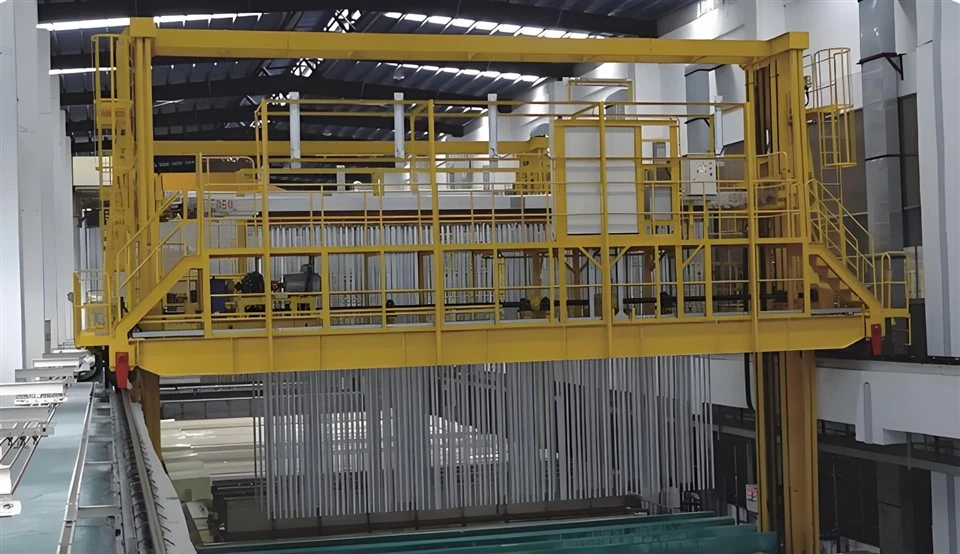
We also monitor the pH level of the electrolyte solutions in the tanks. The pH value can influence the chemical reactions during anodizing. If the pH is not within the proper range, it can cause problems such as pitting or uneven coloring. We use pH meters to regularly check and adjust the pH level by adding appropriate chemicals.
Quality Testing
Once the anodizing process is complete, we conduct a series of quality tests on the finished products. The first test is the visual inspection. Our quality control team carefully examines each profile for any visible defects, such as color variations, streaks, or blisters. They use bright lights and magnifying glasses to detect even the smallest imperfections.
We also perform thickness measurements of the anodized layer. This is done using non - destructive thickness gauges. The thickness of the anodized layer is a critical quality indicator as it affects the corrosion resistance and durability of the aluminum product. We compare the measured thickness with the specified requirements to ensure compliance.
In addition, we conduct adhesion tests to check how well the anodized layer adheres to the aluminum substrate. This is important because a poorly adhered anodized layer can peel off over time. We use methods such as cross - hatch testing, where we make a series of cuts in the anodized layer and then apply adhesive tape to see if any of the layer comes off.
Employee Training
Our employees are our most valuable asset when it comes to quality control. We provide comprehensive training programs for all our staff, from operators to quality control inspectors. The operators are trained on how to operate the equipment correctly, follow the production procedures, and troubleshoot common problems. They learn about the importance of each step in the anodizing process and how their actions can impact the final product quality.
The quality control inspectors are trained in advanced testing techniques and quality standards. They are taught to identify different types of defects and how to make accurate measurements. Regular refresher courses are also provided to keep our employees updated with the latest industry trends and best practices.
Comparison with Other Lines
It's worth mentioning that while we focus on Horizontal Anodizing Lines, there are also Vertical Anodizing Line and Vertical Powder Coating Line in the market. Each type of line has its own advantages and applications. Horizontal Anodizing Lines, like the ones we supply, are often preferred for processing long and large - sized aluminum profiles. They offer better accessibility for loading and unloading, and the horizontal configuration allows for a more uniform distribution of the anodizing solution around the profiles.
On the other hand, vertical lines are suitable for processing smaller and more complex - shaped parts. They can save floor space and are often used in high - volume production environments. However, regardless of the type of line, quality control is of utmost importance in achieving high - quality anodized or powder - coated products.
Conclusion
In conclusion, quality control in the production of a Horizontal Anodizing Line is a multi - faceted process that involves raw material inspection, equipment calibration, process monitoring, quality testing, and employee training. By implementing these measures, we can ensure that our Horizontal Anodizing Lines produce high - quality anodized aluminum products that meet or exceed our customers' expectations.
If you're in the market for a Horizontal Anodizing Line or have any questions about our quality control measures, don't hesitate to reach out. We're always ready to have a chat and discuss how we can meet your specific needs. Let's work together to take your aluminum anodizing operations to the next level!
References
- ASM Handbook Volume 5: Surface Engineering.
- Aluminum Anodizing Technology: A Practical Guide.