

In the world of metal finishing, painting and anodizing lines play a pivotal role in enhancing the durability, aesthetics, and corrosion resistance of various materials. As a leading supplier of painting and anodizing lines, I often encounter inquiries regarding the size limitations of materials that can be processed within these systems. Understanding these limitations is crucial for manufacturers and fabricators to ensure that their products can be effectively treated and meet the desired quality standards.
Understanding Painting and Anodizing Processes
Before delving into the size limitations, it is essential to have a basic understanding of the painting and anodizing processes. Painting involves the application of a protective or decorative coating to the surface of a material, typically using techniques such as spraying, dipping, or electrostatic deposition. Anodizing, on the other hand, is an electrochemical process that creates a durable oxide layer on the surface of metals, primarily aluminum, to improve its corrosion resistance, wear resistance, and appearance.
Both painting and anodizing lines consist of a series of interconnected tanks, conveyors, and processing equipment that facilitate the treatment of materials. These lines are designed to handle a wide range of material sizes and shapes, but certain limitations exist based on the equipment's design, capacity, and the specific requirements of the process.
Factors Affecting Size Limitations
Several factors influence the size limitations of materials that can be processed in a painting and anodizing line. These factors include:
Equipment Dimensions
The physical dimensions of the equipment, such as the size of the tanks, conveyors, and spray booths, directly impact the maximum size of materials that can be accommodated. For example, a painting line with a narrow conveyor may not be able to handle wide or oversized materials. Similarly, an anodizing tank with limited depth may restrict the length of materials that can be immersed for treatment.
Weight Capacity
In addition to the physical dimensions, the weight capacity of the equipment is also a crucial consideration. Heavy materials may exceed the load-bearing capacity of the conveyors or racks, leading to equipment damage or improper processing. It is essential to ensure that the painting and anodizing line can handle the weight of the materials being processed to maintain optimal performance and safety.
Process Requirements
The specific requirements of the painting or anodizing process can also impose size limitations. For instance, some processes may require a certain distance between the material and the spray nozzles or electrodes to ensure uniform coating or anodization. This distance may limit the size of materials that can be effectively treated within the available space. Additionally, certain processes may require the material to be rotated or moved in a specific manner during treatment, which may not be feasible for large or irregularly shaped materials.
Safety Considerations
Safety is always a top priority in any manufacturing environment. The size of materials being processed must not pose a risk to the operators or the equipment. Large or heavy materials may require additional handling equipment or safety measures to prevent accidents or injuries. It is important to ensure that the painting and anodizing line is designed and operated in compliance with all relevant safety standards and regulations.
Typical Size Limitations
While the size limitations of painting and anodizing lines can vary depending on the specific equipment and process requirements, some general guidelines can be provided.

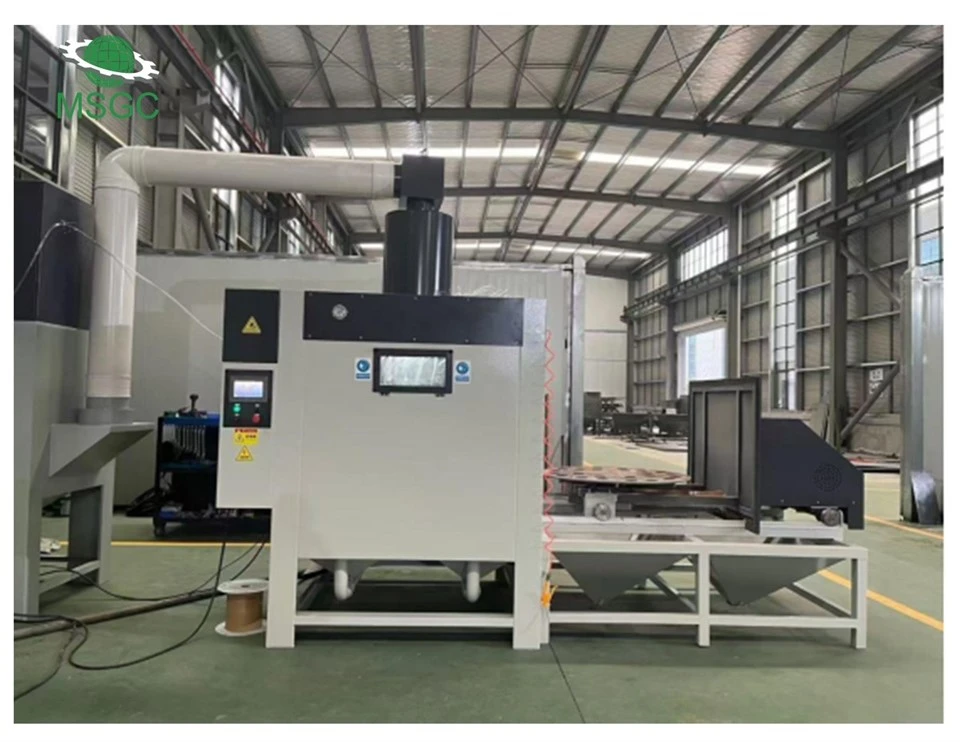
Painting Lines
In a typical painting line, the maximum width of materials that can be processed is usually limited to the width of the conveyor or the spray booth. This width can range from a few inches to several feet, depending on the equipment's design. The length of materials is typically limited by the length of the conveyor and the available space in the painting booth. In some cases, longer materials may be processed by using a continuous conveyor system or by splitting the material into smaller sections for painting.
The maximum weight of materials that can be handled in a painting line depends on the load-bearing capacity of the conveyor and the racks. This weight can vary significantly depending on the equipment's design and construction, but it is typically in the range of a few pounds to several hundred pounds.
Anodizing Lines
In an anodizing line, the maximum length of materials that can be processed is usually limited by the depth of the anodizing tank. This depth can range from a few inches to several feet, depending on the equipment's design. The width and height of materials are typically limited by the size of the tank and the available space for the electrodes and other equipment.
The maximum weight of materials that can be handled in an anodizing line depends on the load-bearing capacity of the racks and the lifting equipment. This weight can vary significantly depending on the equipment's design and construction, but it is typically in the range of a few pounds to several hundred pounds.
Overcoming Size Limitations
In some cases, manufacturers may need to process materials that exceed the standard size limitations of a painting or anodizing line. In such situations, several options are available to overcome these limitations:
Customized Equipment
One option is to invest in customized painting and anodizing equipment that is specifically designed to handle larger or heavier materials. This may involve modifying the existing equipment or purchasing new equipment with larger dimensions and higher weight capacities. While this option can be more expensive, it provides a long-term solution for processing materials that exceed the standard size limitations.
Multiple Passes
Another option is to process the materials in multiple passes. This involves splitting the material into smaller sections and processing each section separately. Once all the sections have been treated, they can be reassembled to form the final product. This method can be time-consuming and labor-intensive, but it allows for the processing of larger materials within the limitations of the existing equipment.
Outsourcing
If the volume of materials that exceed the size limitations is relatively small, outsourcing the painting or anodizing process to a specialized service provider may be a cost-effective option. These service providers often have larger and more advanced equipment that can handle a wider range of material sizes and shapes. By outsourcing, manufacturers can avoid the need to invest in expensive equipment and focus on their core competencies.
Importance of Size Limitations in the Industry
Understanding the size limitations of painting and anodizing lines is crucial for manufacturers and fabricators in the metal finishing industry. By knowing these limitations, they can make informed decisions about the design and production of their products, ensuring that they can be effectively treated within the available equipment. This helps to avoid costly rework, delays, and quality issues, ultimately improving the overall efficiency and profitability of the manufacturing process.
Related Equipment in Our Portfolio
As a supplier of painting and anodizing lines, we offer a range of related equipment that can enhance the efficiency and performance of your metal finishing operations. For example, our Aluminum Extrusion Dies Washing Mahcine is designed to clean aluminum extrusion dies, ensuring optimal performance and longevity. Our Vertical Anodizing Line provides a space-saving solution for anodizing materials, while our Extrusion Dies Sand Blasting Machine can effectively remove surface contaminants and prepare the dies for further treatment.
Contact Us for Your Painting and Anodizing Needs
If you are looking for a reliable supplier of painting and anodizing lines or have specific requirements regarding the size limitations of materials that need to be processed, we would be delighted to assist you. Our team of experts can provide you with detailed information about our products and services, as well as offer customized solutions to meet your unique needs. Contact us today to start a conversation about your painting and anodizing requirements and explore how we can help you achieve your goals.
References
- ASM Handbook, Volume 5: Surface Engineering, ASM International, 2007.
- Metal Finishing Guidebook, Industrial Press Inc., 2019.
- Painting and Coating Technology, John Wiley & Sons, 2016.