

The anodizing process is a crucial step in surface treatment, especially for aluminum products. As a supplier of Horizontal Anodizing Lines, I've witnessed firsthand the significance of anodizing speed in determining product quality. In this blog, I'll delve into the influence of anodizing speed on product quality and share insights based on my experiences in the industry.
Understanding Anodizing in a Horizontal Anodizing Line
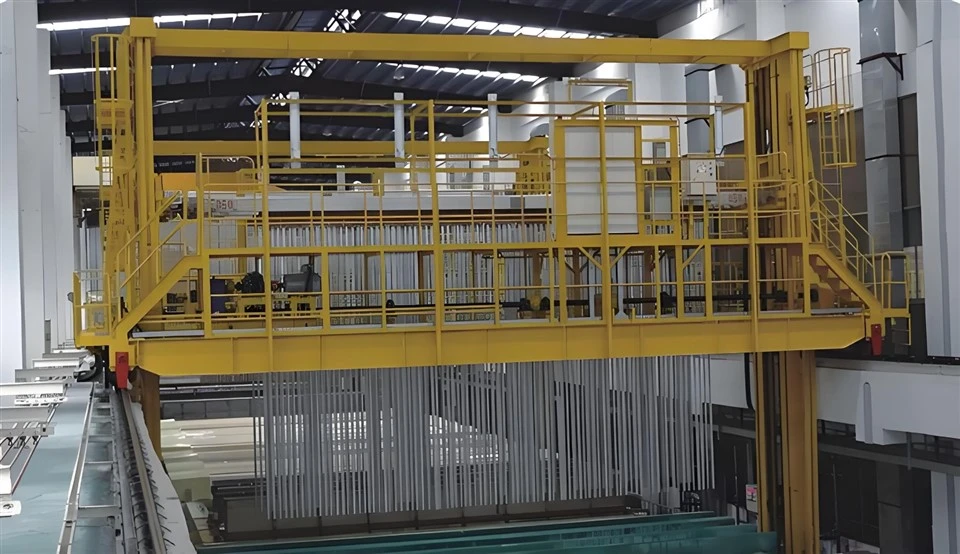
Before discussing the impact of anodizing speed, it's essential to understand the anodizing process in a Horizontal Anodizing Line. Anodizing is an electrochemical process that converts the metal surface into a decorative, durable, corrosion - resistant, anodic oxide finish. In a horizontal setup, the workpieces are placed horizontally on a conveyor system and pass through a series of treatment tanks, including cleaning, anodizing, and sealing tanks.
Effects of Anodizing Speed on Coating Thickness
One of the most direct impacts of anodizing speed is on the coating thickness of the product. In general, a slower anodizing speed allows for a more uniform and thicker oxide layer to form on the surface of the aluminum. When the anodizing process is slow, the aluminum ions have more time to react with the oxygen in the electrolyte, resulting in a denser and more consistent oxide coating.
Conversely, a high anodizing speed may lead to a thinner and less uniform coating. The rapid movement of the workpiece through the anodizing tank may not provide enough time for the full reaction to occur, causing variations in coating thickness across the surface. Uneven coating thickness can compromise the overall quality of the product, as thinner areas may be more susceptible to corrosion and wear.
Influence on Coating Hardness
The anodizing speed also has a significant effect on the hardness of the oxide coating. A slower anodizing speed typically results in a harder and more wear - resistant coating. During a slow anodizing process, the oxide layer forms in a more organized manner, with a higher degree of crystallinity. This crystalline structure contributes to the hardness of the coating, making it better able to withstand scratches and abrasion.
On the other hand, a fast anodizing speed can lead to a softer coating. The quick formation of the oxide layer may not allow for proper crystallization, resulting in a more amorphous structure. Amorphous coatings are generally less hard and more prone to damage, which can reduce the lifespan of the product.
Impact on Corrosion Resistance
Corrosion resistance is a key quality factor for anodized aluminum products. A well - anodized coating acts as a barrier between the aluminum substrate and the surrounding environment, preventing the metal from corroding. The anodizing speed plays a vital role in determining the effectiveness of this barrier.
A slow anodizing speed promotes the formation of a dense and continuous oxide layer, which provides excellent corrosion resistance. The uniform coating can effectively block the penetration of moisture, oxygen, and other corrosive agents. In contrast, a high - speed anodizing process may produce a porous and discontinuous coating. These pores can act as pathways for corrosive substances to reach the aluminum substrate, increasing the risk of corrosion.
Influence on Appearance
The appearance of anodized products is another aspect affected by the anodizing speed. A slow anodizing process often results in a more aesthetically pleasing finish. The uniform coating thickness and smooth surface achieved at a lower speed give the product a consistent color and a high - quality look.
Fast anodizing, however, can lead to visible defects on the surface. These may include streaks, spots, or a non - uniform color distribution. Such cosmetic issues can significantly reduce the marketability of the product, especially in applications where appearance is crucial, such as architectural and decorative uses.
Case Studies and Real - World Examples
Over the years, I've worked with numerous clients who have experienced the impact of anodizing speed on product quality. For instance, a client in the automotive industry was initially using a relatively high anodizing speed to increase production output. However, they noticed that the anodized parts were showing signs of premature wear and corrosion, and the appearance was not up to their standards.
After adjusting the anodizing speed to a slower rate, the quality of the parts improved significantly. The coating became more uniform, harder, and more resistant to corrosion. The aesthetic appeal of the parts also increased, which was well - received by their customers.
Another example is a client in the construction sector. They were using anodized aluminum profiles for building facades. When they increased the anodizing speed to meet tight deadlines, the profiles developed visible streaks and uneven color. By reducing the speed, they were able to achieve a smooth and consistent finish, enhancing the overall look of the building.
Balancing Anodizing Speed and Production Efficiency
While a slower anodizing speed generally leads to better product quality, it's important to balance this with production efficiency. In a competitive market, manufacturers often need to meet high - volume production requirements. As a Horizontal Anodizing Line supplier, I understand the need to find an optimal anodizing speed that maximizes both quality and productivity.
One approach is to optimize the anodizing process parameters. This may include adjusting the electrolyte composition, temperature, and current density to allow for a faster yet still high - quality anodizing process. Additionally, investing in advanced anodizing equipment can also help improve the speed - quality balance. Our Horizontal Anodizing Lines are designed with state - of - the - art technology to ensure efficient and high - quality anodizing at various speeds.
Related Product Offerings
In addition to our Horizontal Anodizing Lines, we also offer other related products that can enhance the overall surface treatment process. For example, our Horizontal Powder Coating Line provides a durable and attractive powder coating finish for aluminum products. It can be used in conjunction with anodizing to further improve the product's appearance and protection.
Our Vertical Anodizing Line is another option for clients with specific production requirements. It offers a different setup compared to the horizontal line and can be suitable for certain types of workpieces.
Moreover, our Aluminum Extrusion Dies Washing Machine is essential for maintaining the quality of the extrusion dies used in the production of aluminum profiles. Clean dies ensure a smooth extrusion process, which is a prerequisite for high - quality anodized products.
Conclusion
In conclusion, the anodizing speed has a profound influence on the quality of products in a Horizontal Anodizing Line. A slower speed generally leads to better coating thickness, hardness, corrosion resistance, and appearance. However, it's crucial to find a balance between quality and production efficiency.

As a supplier of Horizontal Anodizing Lines, I'm committed to helping our clients achieve the best possible product quality. We offer not only high - quality equipment but also technical support and expertise to optimize the anodizing process. If you're looking to improve the quality of your anodized products or need advice on anodizing speed and process optimization, we'd be glad to assist you. Contact us to start a discussion about your specific requirements and explore how our solutions can meet your needs.
References
- "Anodizing of Aluminum and Its Alloys" - ASM International Handbook Committee
- "Surface Treatment of Aluminum and Its Alloys" - Elsevier
- Industry reports and case studies from clients in the automotive, construction, and other sectors.