

As a supplier of Electric Melting Furnace, I often encounter inquiries about the suitability of our electric melting furnaces for melting copper-based materials. In this blog post, I will delve into the technical aspects, advantages, and considerations when using an electric melting furnace for copper-based materials.
Technical Feasibility
Copper has a melting point of approximately 1084.62°C (1984.32°F). Most electric melting furnaces are designed to reach and maintain temperatures well above this point, making them technically capable of melting copper-based materials. The heat generated in an electric melting furnace can be precisely controlled, which is crucial for ensuring a consistent melting process and producing high-quality molten copper.
There are two main types of electric melting furnaces that are commonly used for melting copper: induction furnaces and resistance furnaces.
Induction Furnaces
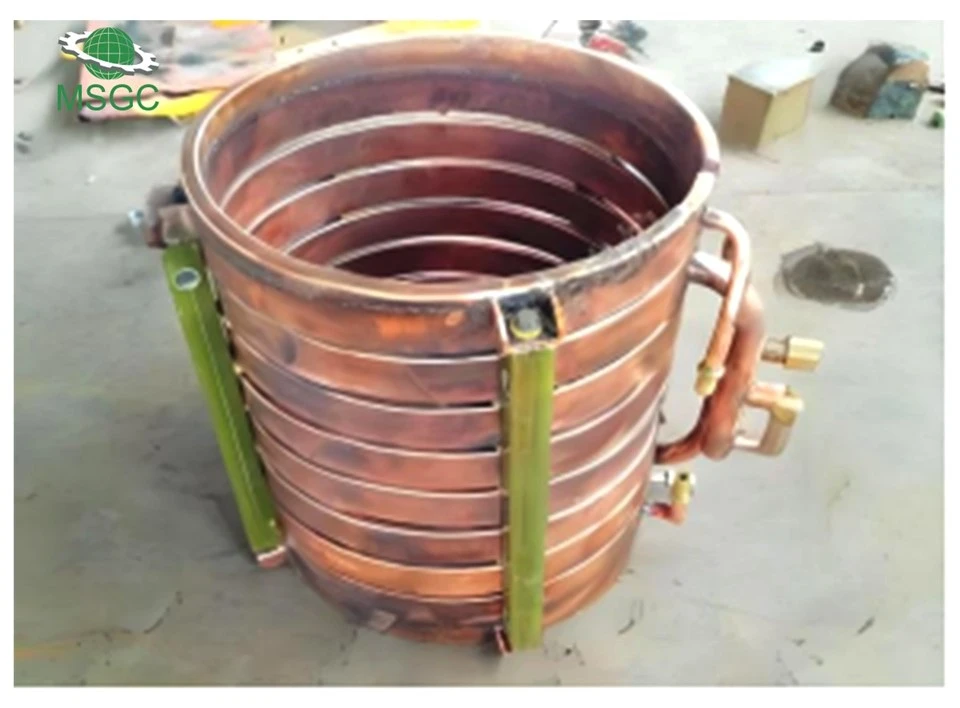
Induction furnaces use electromagnetic induction to generate heat within the metal charge. An alternating current is passed through a coil, creating a magnetic field that induces eddy currents in the metal. These eddy currents generate heat, causing the metal to melt. Induction furnaces are known for their high efficiency, fast melting times, and precise temperature control. They are particularly well-suited for melting copper-based materials because they can quickly reach the required melting temperature and maintain it throughout the melting process.
Resistance Furnaces
Resistance furnaces, on the other hand, use electrical resistance to generate heat. A heating element, such as a resistor, is heated by passing an electric current through it. The heat is then transferred to the metal charge by radiation and conduction. Resistance furnaces are generally less efficient than induction furnaces, but they are often more cost-effective and easier to operate. They are also suitable for melting copper-based materials, especially for small-scale operations or when a lower melting rate is acceptable.

Advantages of Using an Electric Melting Furnace for Copper-Based Materials
Energy Efficiency
Electric melting furnaces are generally more energy-efficient than traditional fuel-fired furnaces. They convert a higher percentage of the electrical energy into heat, resulting in lower energy consumption and reduced operating costs. This is particularly important for melting copper, which requires a significant amount of energy due to its high melting point.
Precise Temperature Control
As mentioned earlier, electric melting furnaces offer precise temperature control. This is essential for ensuring the quality of the molten copper and minimizing the risk of overheating or underheating. Precise temperature control also allows for better control of the alloying process, which is important for producing copper-based materials with specific properties.
Clean and Environmentally Friendly
Electric melting furnaces produce fewer emissions than fuel-fired furnaces. They do not burn fossil fuels, which means they do not produce harmful pollutants such as carbon monoxide, sulfur dioxide, and particulate matter. This makes them a more environmentally friendly option for melting copper-based materials.
Versatility
Electric melting furnaces can be used to melt a wide range of copper-based materials, including pure copper, brass, bronze, and copper alloys. They can also be used for other metals and alloys, making them a versatile tool for metalworking applications.
Considerations When Using an Electric Melting Furnace for Copper-Based Materials
Furnace Capacity
The capacity of the electric melting furnace should be selected based on the amount of copper-based material that needs to be melted. It is important to choose a furnace with a capacity that is sufficient to meet the production requirements, but not too large that it results in unnecessary energy consumption.
Melting Rate
The melting rate of the electric melting furnace is another important consideration. The melting rate is determined by the power of the furnace and the type of metal being melted. It is important to choose a furnace with a melting rate that is appropriate for the production requirements.
Furnace Design
The design of the electric melting furnace can also affect its performance and suitability for melting copper-based materials. For example, some furnaces are designed with a tilting mechanism, which allows for easy pouring of the molten metal. Tilting Type Aluminum Melting Furnace is an example of a furnace with a tilting mechanism that can be used for melting copper-based materials. Other furnaces are designed with a fixed crucible, which is suitable for small-scale operations or when a lower melting rate is acceptable. Fixed Type Aluminum Melting Furnace is an example of a furnace with a fixed crucible.
Maintenance and Safety
Regular maintenance is essential for ensuring the proper operation and longevity of the electric melting furnace. It is important to follow the manufacturer's instructions for maintenance and to perform routine inspections and cleaning. Safety is also a top priority when using an electric melting furnace. It is important to wear appropriate protective equipment, such as heat-resistant gloves and goggles, and to follow all safety procedures.
Conclusion
In conclusion, an electric melting furnace can be used for melting copper-based materials. The technical feasibility, advantages, and considerations discussed in this blog post demonstrate that electric melting furnaces are a reliable and efficient option for melting copper. Whether you are a small-scale metalworker or a large-scale manufacturer, an electric melting furnace can help you achieve high-quality results and reduce operating costs.
If you are interested in purchasing an electric melting furnace for melting copper-based materials, please feel free to contact us for more information. We are a leading supplier of electric melting furnaces and can provide you with the expertise and support you need to make the right choice for your application.
References
- ASM Handbook, Volume 1: Properties and Selection: Irons, Steels, and High-Performance Alloys. ASM International, 1990.
- Metals Handbook Desk Edition, 2nd Edition. ASM International, 1998.
- Principles of Metal Casting. George E. Totten, David S. MacKenzie, and William C. Black. CRC Press, 2003.