

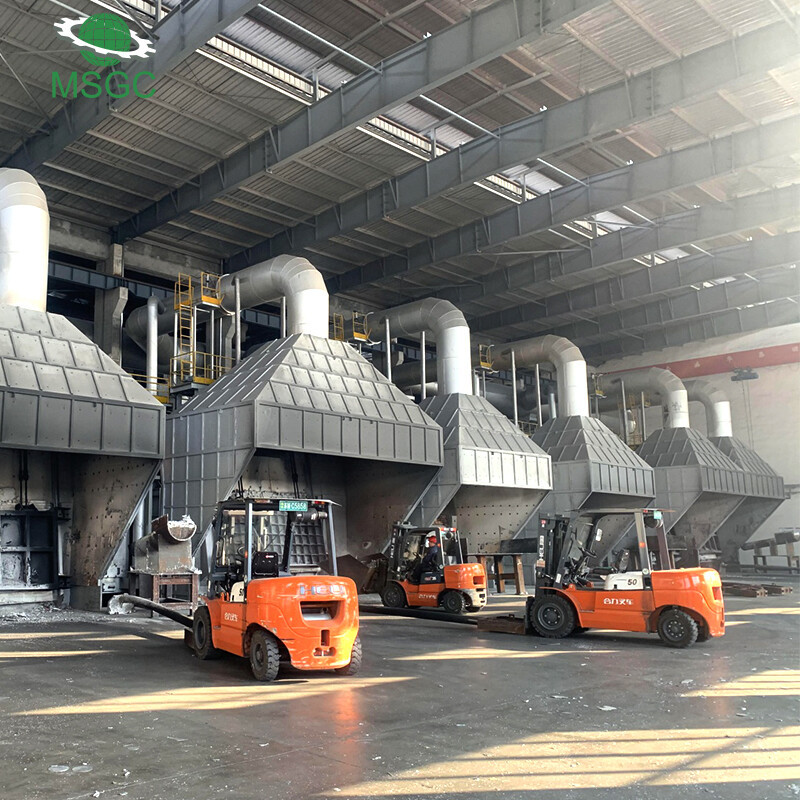
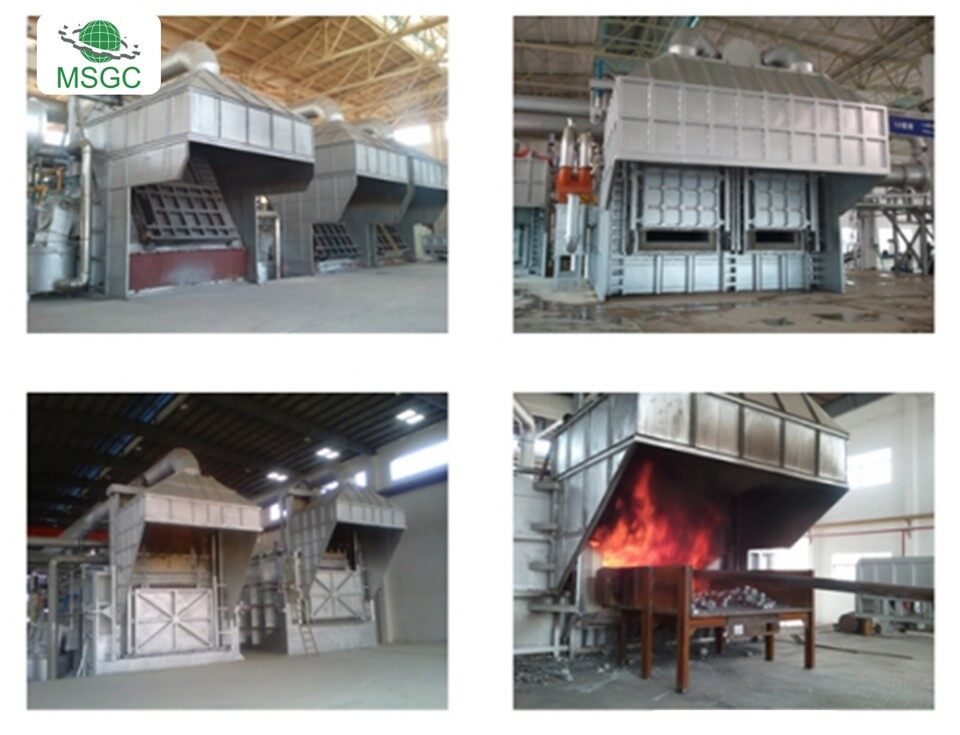
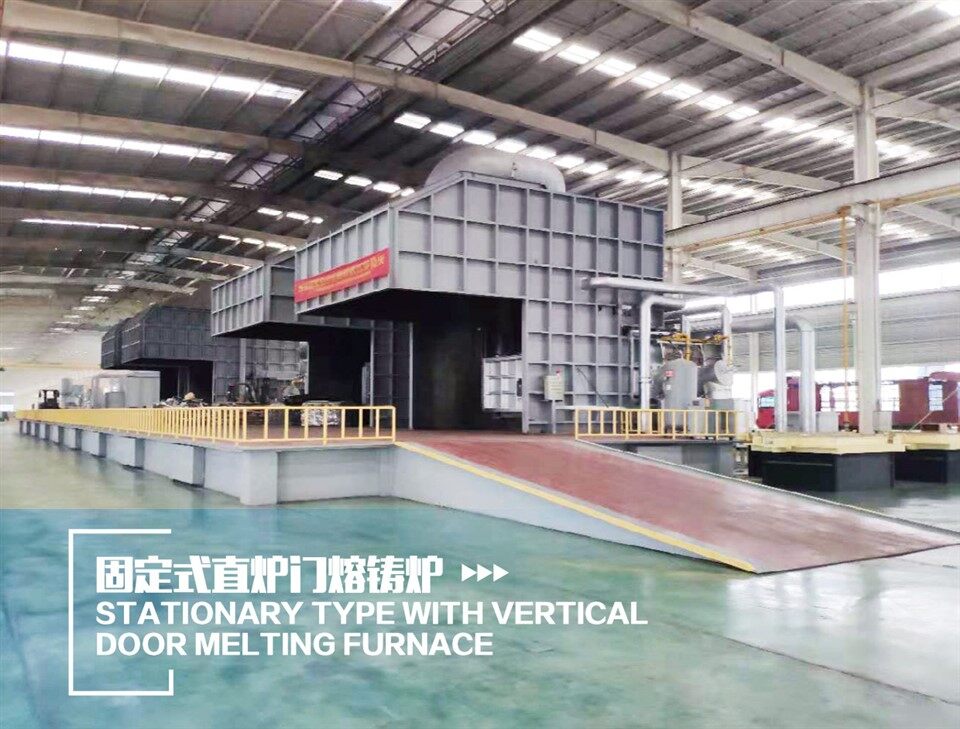
MSGC GROUP Co., Ltd is one of the most experienced manufacturers and suppliers of fixed type aluminum melting furnace in China. Welcome to wholesale custom made fixed type aluminum melting furnace at competitive price from our factory. Contact us for more cheap products.
The fixed type aluminum melting furnace is composed of shell steel structure, inner chamber refractory bricks and castables. MSGC GROUP Co.,Ltd aluminum melting furnace castable have two options: semi-castable or full castable. The high temperature in the fixed type aluminum melting furnace can reach 1000 ℃, which is suitable for smelting aluminum ingots, copper and aluminum scrap, etc.

With regenerative ceramic burner, 20% fuel can be saved, so as to reduce costs and improve efficiency. The special inclined furnace door design is more suitable for forklift feeding and improves production efficiency.


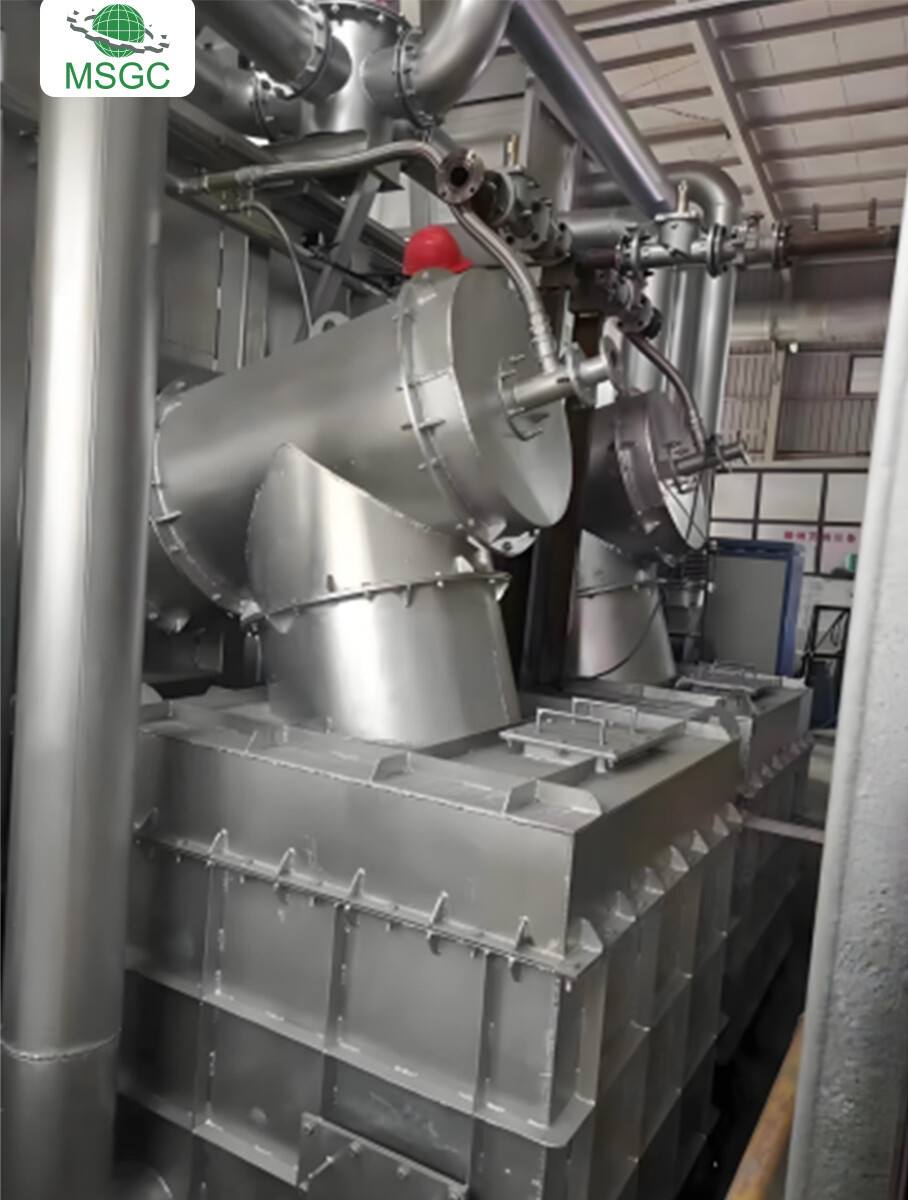
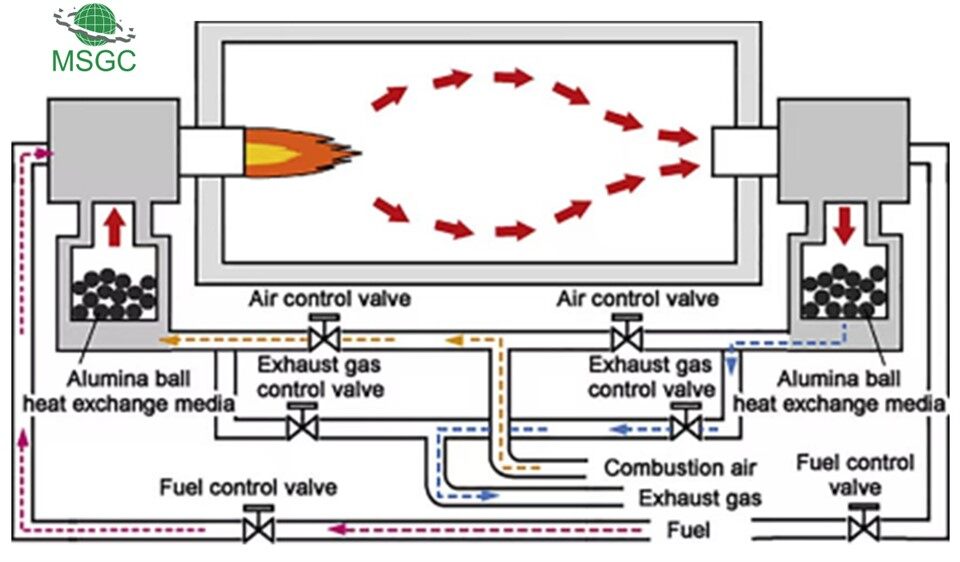
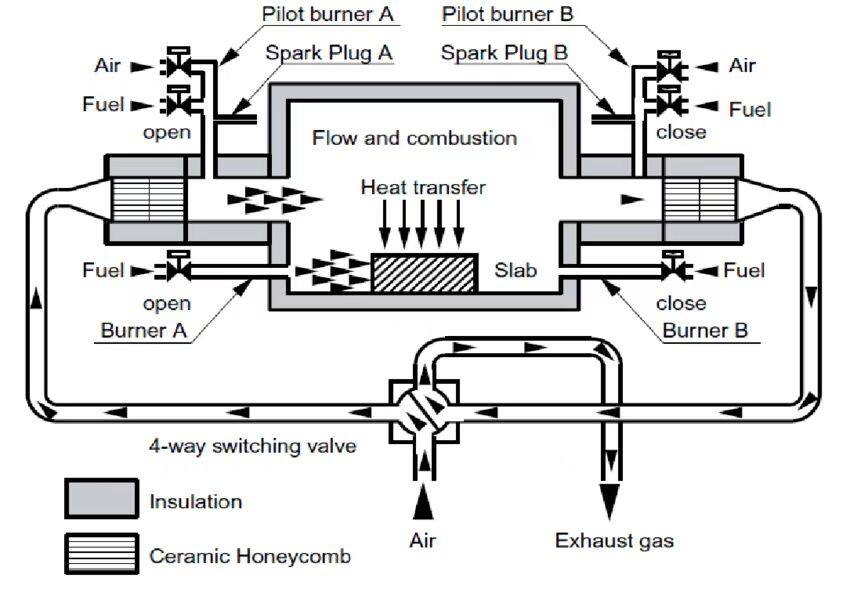
1. Concept and characteristics of regenerative burner: Regenerative burner (RCB) is a type of burner that uses regenerative balls (or honeycomb bodies) to recover heat from furnace flue gas to preheat air and achieve alternating combustion and uniform heating. Regenerative burners are mainly used in the field of industrial gas heating, known for their low NOx emissions and high combustion thermal efficiency. RCB consists of two main parts: a high-temperature resistant all ceramic burner and a regenerative ceramic heat exchanger. Connect the heat exchange system to the burner and install it on the side wall of the furnace, then operate it in pairs through a directional valve.
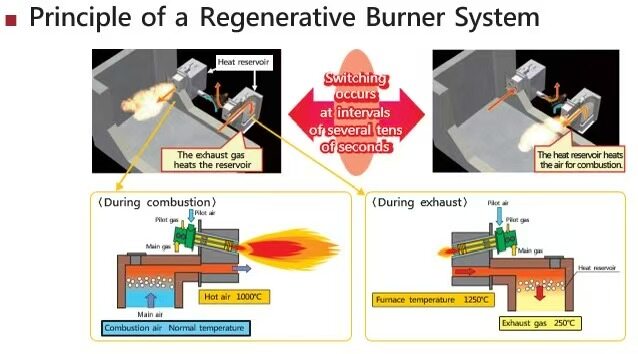
2. Working principle of regenerative burner: A regenerative burner system includes at least two burners, two regenerators, a heat recovery system, and corresponding control devices. The burner and heat storage device can be directly connected together or connected together through pipes cast with refractory materials according to the actual situation on site. When one burner uses the hot air in the heat storage device for combustion, the other burner functions as an exhaust outlet, using a smoke exhaust fan to extract the hot air from the furnace through the burner and store it in the heat storage device. When the heat is fully stored, the butterfly valve operates to switch the functions of the two burners. Whenever one burner is burning, the other is helping to store heat in the accumulator. In heat exchange, the temperature of the exhaust gas in the pipeline is usually between 150-200, so both butterfly valves and exhaust fans can work safely and reliably for a long time. Correctly installing and selecting regenerative burners can successfully save energy by 70% and improve combustion efficiency by 90%.
3. Design of Regenerative Burner Control System: Siemens PLC is used to complete the process control and detection of the heating furnace. Efforts should be made to reduce the labor intensity of operators, improve the production efficiency and reduce energy consumption of the heating furnace, ensure operational safety, and achieve automation of the production process. The entire system is divided into five ET200 stations. The first three stations collect the flow, temperature, and pressure of furnace instruments; The fourth station is responsible for the reversing system; The fifth station controls the fan and hydraulic station.
● Preheating, drying and melting of aluminum waste are not carried out under the direct and violent combustion of flame, with less metal burning loss;
● During the whole smelting process, the melt is circulated through the circulating mixer, so the melt temperature and composition are uniform;
● Due to the adoption of new energy-saving combustion system, all flue gases are subject to waste heat recovery, with high thermal efficiency and low energy consumption;
● Aluminum waste is added in a closed system, smokeless gas overflows into the workshop, and the working environment is good.

Differences between fixed type and tilting aluminum melting furnace:
The fixed type furnace is vertical and adopts continuous production mode. Its structure is fixed and cannot be tilted. It needs to be operated and overhauled in other ways.
Tipping furnace is inclined and adopts intermittent production mode. It can tilt about 90 degrees, which is convenient for operators to observe and adjust the state inside the furnace.
Advantages and disadvantages of fixed aluminum melting furnace:
- Advantages: fixed structure, simple operation and maintenance.
- Disadvantages: low production efficiency, suitable for long-time continuous production mode.
- Advantages and disadvantages of tipping furnace:
- Advantages: tilting operation is easy to observe and adjust the state inside the furnace, which is conducive to improving production efficiency.
- Disadvantages: complex structure, requiring higher maintenance costs.
Fixed aluminum melting furnace technical parameters:
|
Production |
25-150 ton |
|
Furnace door |
Direct type furnace door |
|
Melting furnace type |
Fixed type |
|
Melting rate |
2-8 ton of aluminum alloy /hour |
|
Air pressure |
65-100KPa |
|
Temperature accuracy |
±5°C |
|
Nature gas consumption |
≥52 cubic meter/Ton of aluminum alloy |
|
Max working temperature |
1150°C |
|
Max temperature control |
1100°C |
|
Regenerative burners |
2 nos. |


