

The aerospace industry is a realm of cutting - edge technology and high - performance materials. Aluminum, with its remarkable properties such as low density, high strength - to - weight ratio, and excellent corrosion resistance, has become one of the most crucial materials in this industry. An aluminum melting furnace plays a fundamental and multi - faceted role in contributing to the aerospace industry, and as an aluminum melting furnace supplier, I am well - placed to elaborate on these contributions.
Material Preparation and Alloy Creation
In the aerospace industry, the quality of materials is of utmost importance. Aluminum melting furnaces are the starting point for the production of high - quality aluminum alloys used in aerospace components. These furnaces are designed to melt aluminum ingots, scrap, and other raw materials precisely and efficiently.
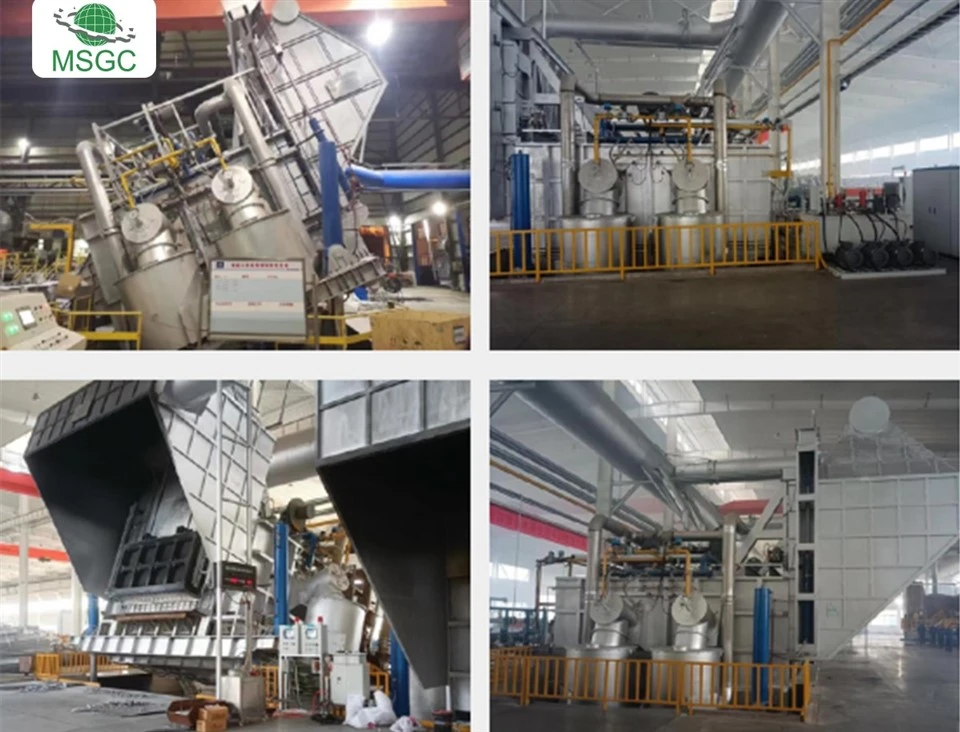
The melting process in our Fixed Type Aluminum Melting Furnace is carefully controlled to ensure that the temperature, atmosphere, and other parameters are optimized. This control is essential because even small variations in the melting process can affect the final properties of the aluminum alloy. For example, maintaining the right temperature is critical to prevent the formation of impurities or the degradation of alloying elements.
Once the aluminum is melted, alloying elements can be added to create specific aluminum alloys tailored to the requirements of aerospace applications. Different alloys are used for different components. For instance, some alloys are designed for high - strength applications, such as aircraft wings and fuselage frames, while others are optimized for heat resistance, which is crucial for parts near engines. Our furnaces are equipped with advanced systems that allow for accurate dosing of alloying elements, ensuring the consistency and quality of the final alloy.

Energy Efficiency and Environmental Sustainability
The aerospace industry is increasingly focused on environmental sustainability, and aluminum melting furnaces can play a significant role in this regard. Our Electric Melting Furnace is a prime example of an energy - efficient solution. Electric furnaces have several advantages over traditional fuel - fired furnaces.
Firstly, they offer better energy efficiency. Electric heating systems can convert a higher percentage of electrical energy into heat for melting aluminum compared to the combustion process in fuel - fired furnaces. This means less energy is wasted, resulting in lower operating costs and reduced carbon emissions.
Secondly, electric furnaces produce fewer pollutants. Since there is no combustion of fossil fuels, there are no emissions of harmful gases such as sulfur dioxide, nitrogen oxides, and particulate matter. This is in line with the aerospace industry's efforts to reduce its environmental impact and meet strict environmental regulations.
In addition, the use of scrap aluminum in the melting process is an important aspect of sustainability. Our furnaces are capable of melting a significant amount of aluminum scrap, which not only reduces the demand for primary aluminum production but also saves energy. Recycling aluminum requires only about 5% of the energy needed to produce new aluminum from bauxite ore, making it a highly sustainable option.
Precision and Quality Control
Precision is a non - negotiable requirement in the aerospace industry. Aluminum melting furnaces need to ensure that the molten aluminum meets the strictest quality standards. Our Tilting Type Aluminum Melting Furnace is designed with precision in mind.
The tilting mechanism allows for accurate pouring of the molten aluminum into molds or casting machines. This ensures that the amount of aluminum used in each casting is consistent, reducing waste and improving the overall quality of the aerospace components. Moreover, the tilting action can be controlled precisely, which is essential for complex casting processes.
Quality control is also enhanced by the use of advanced sensors and monitoring systems in our furnaces. These systems continuously measure parameters such as temperature, pressure, and chemical composition of the molten aluminum. Any deviations from the set standards can be detected immediately, allowing for timely adjustments to be made. This real - time monitoring ensures that the final aluminum products have the desired mechanical and chemical properties, which is crucial for the safety and performance of aerospace vehicles.
Customization and Flexibility
The aerospace industry has diverse needs, and our aluminum melting furnaces offer a high degree of customization and flexibility. We understand that different aerospace manufacturers may have different production requirements, whether it is the size of the furnace, the melting capacity, or the specific alloying processes.
Our engineering team can work closely with aerospace companies to design and build furnaces that meet their exact specifications. For example, if a company needs a furnace with a high melting capacity to produce large - scale aerospace components, we can develop a customized solution. Similarly, if a specific alloying process is required to achieve unique material properties, our furnaces can be equipped with the necessary equipment and control systems.
The flexibility of our furnaces also extends to the ability to switch between different types of aluminum alloys. This is important because aerospace manufacturers may need to produce various components using different alloys. Our furnaces can be easily adjusted to accommodate these changes, allowing for efficient and cost - effective production.
Cost - effectiveness
Cost is always a consideration in the aerospace industry. Our aluminum melting furnaces offer cost - effective solutions in several ways. Firstly, as mentioned earlier, the energy efficiency of our electric furnaces reduces operating costs over the long term. The lower energy consumption means less money spent on electricity, which can have a significant impact on the overall production cost.
Secondly, the high precision and quality control of our furnaces result in fewer defective products. This reduces the amount of scrap and rework, saving both time and money. In addition, the ability to use a large amount of scrap aluminum in the melting process also helps to cut costs, as scrap aluminum is generally cheaper than primary aluminum.
Conclusion
In conclusion, aluminum melting furnaces are indispensable in the aerospace industry. They contribute to the production of high - quality aluminum alloys, offer energy - efficient and environmentally sustainable solutions, ensure precision and quality control, provide customization and flexibility, and are cost - effective. As an aluminum melting furnace supplier, we are committed to providing the best possible products and services to the aerospace industry.
If you are an aerospace manufacturer looking for a reliable aluminum melting furnace solution, we invite you to contact us for procurement and further discussions. Our team of experts is ready to assist you in finding the most suitable furnace for your production needs.
References
- ASM Handbook Committee. (2001). ASM Handbook: Properties and Selection: Nonferrous Alloys and Special - Purpose Materials. ASM International.
- Davis, J. R. (Ed.). (2007). Aluminum and Aluminum Alloys. ASM International.
- International Aluminum Institute. (2023). Aluminum Recycling: A Sustainable Success Story.