

As a supplier of Electric Melting Furnaces, I often get asked how these furnaces ensure the uniformity of temperature distribution inside. It's a crucial aspect, especially when you're dealing with materials that need precise melting and processing. Let's dive into the details and find out how we make it happen.
The Basics of Electric Melting Furnaces
First off, let's understand what an electric melting furnace is. An Electric Melting Furnace uses electrical energy to generate heat and melt various materials, like metals. It's a popular choice in industries because it offers better control over the melting process compared to other types of furnaces.
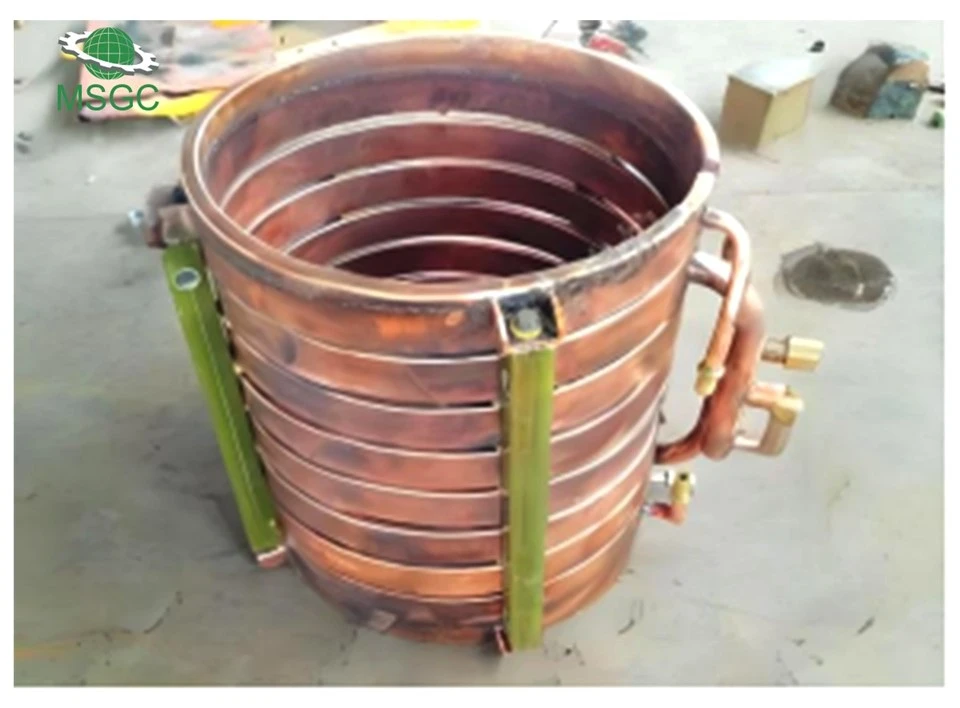

There are different types of electric melting furnaces, such as the Fixed Type Aluminum Melting Furnace and the Tilting Type Aluminum Melting Furnace. Each type has its own advantages and is suitable for different applications.
Key Factors for Temperature Uniformity
Heating Elements Placement
One of the most important factors in ensuring temperature uniformity is the placement of the heating elements. In our electric melting furnaces, we carefully design the layout of the heating elements to cover the entire interior of the furnace. This way, heat is distributed evenly from all sides, reducing hot and cold spots.
For example, in a fixed-type furnace, the heating elements are placed along the walls and sometimes at the bottom. This setup allows for a more consistent heat transfer throughout the furnace chamber. In a tilting-type furnace, the heating elements are also strategically placed to ensure that even when the furnace is tilted, the temperature remains uniform.
Insulation
Insulation plays a vital role in maintaining temperature uniformity. A well-insulated furnace prevents heat loss to the surroundings, which helps in keeping the temperature stable inside. We use high-quality insulation materials in our furnaces to minimize heat leakage.
The insulation not only helps in saving energy but also ensures that the temperature is evenly distributed. It acts as a barrier, preventing the heat from escaping and keeping the heat inside the furnace where it's needed.
Circulation Systems
Another important aspect is the circulation of the molten material. In our furnaces, we have built-in circulation systems that help in mixing the molten material. This circulation ensures that the heat is evenly distributed throughout the molten metal.
For instance, some of our furnaces use electromagnetic stirrers. These stirrers create a magnetic field that causes the molten metal to move, promoting better heat transfer and temperature uniformity. By constantly moving the molten material, we can prevent the formation of hot and cold spots.
Temperature Monitoring and Control
To ensure the uniformity of temperature, we use advanced temperature monitoring and control systems. These systems continuously measure the temperature at different points inside the furnace. If there are any variations in temperature, the control system can adjust the power supplied to the heating elements.
For example, if the temperature in one area of the furnace is lower than the desired level, the control system can increase the power to the heating elements in that area. This way, we can maintain a consistent temperature throughout the furnace.
Real-World Applications
Let's take a look at some real-world applications where temperature uniformity is crucial. In the aluminum industry, for example, a uniform temperature is essential for producing high-quality aluminum products. If the temperature is not uniform, it can lead to defects in the final product, such as uneven thickness or poor surface finish.
Our Fixed Type Aluminum Melting Furnace and Tilting Type Aluminum Melting Furnace are designed to meet the strict requirements of the aluminum industry. They ensure that the aluminum is melted at a consistent temperature, resulting in high-quality products.
Conclusion
In conclusion, ensuring the uniformity of temperature distribution inside an electric melting furnace is a complex process that involves careful design, high-quality insulation, circulation systems, and advanced temperature monitoring and control. As a supplier of electric melting furnaces, we are committed to providing our customers with the best possible solutions.
If you're in the market for an electric melting furnace and want to learn more about how our products can meet your needs, feel free to reach out for a procurement discussion. We're here to help you find the right furnace for your specific application.
References
- Smith, J. (2020). "Advanced Electric Melting Furnace Technology." Industrial Heating Journal.
- Johnson, A. (2019). "Temperature Control in Melting Furnaces." Metallurgical Engineering Review.