

Hey there! I'm a supplier of Double Pullers, and I know how crucial it is to get the pulling force just right. In this blog, I'll share some tips on how to adjust the pulling force of a Double Puller.
First off, let's understand why adjusting the pulling force matters. The pulling force directly affects the quality of the product being pulled. If the force is too high, it can cause damage to the material, like cracking or deformation. On the other hand, if the force is too low, the pulling process might not be effective, and the product won't meet the required standards.
Factors Affecting Pulling Force
Before we start adjusting, we need to know what factors can influence the pulling force. One major factor is the type of material being pulled. Different materials have different properties, such as hardness, flexibility, and density. For example, pulling a soft plastic material will require a different pulling force compared to pulling a hard metal alloy.
Another factor is the speed of the pulling process. Faster speeds usually require higher pulling forces to maintain a smooth operation. The length and diameter of the material also play a role. Longer and thicker materials generally need more pulling force to be moved through the Double Puller.
Tools for Measuring Pulling Force
To adjust the pulling force accurately, we need to measure it first. There are several tools available for this purpose. One common tool is a force gauge. A force gauge can be attached to the material being pulled, and it will display the amount of force being applied. Another option is to use load cells, which are more precise and can be integrated into the Double Puller system.
Step-by-Step Guide to Adjusting Pulling Force
Now, let's get into the actual process of adjusting the pulling force.
Step 1: Check the Manufacturer's Specifications
The first thing you should do is refer to the manufacturer's specifications for your Double Puller. These specifications will give you the recommended pulling force range for different materials and operating conditions. This is a great starting point for your adjustment process.
Step 2: Measure the Current Pulling Force
Use your chosen measuring tool, like a force gauge, to measure the current pulling force. Make sure to take multiple measurements at different points during the pulling process to get an accurate average.

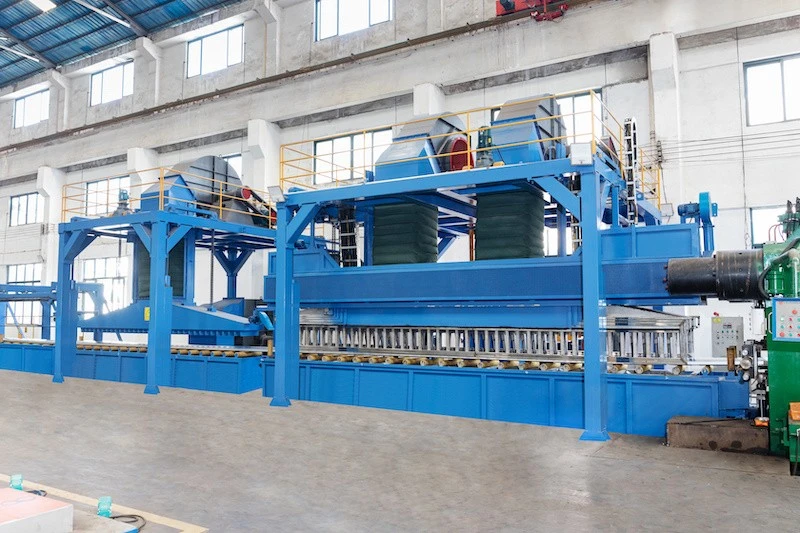
Step 3: Adjust the Tension Settings
Most Double Pullers have tension adjustment mechanisms. These can be in the form of knobs, levers, or electronic controls. If the measured pulling force is too high, you can decrease the tension by turning the appropriate knob or adjusting the electronic settings. Conversely, if the force is too low, increase the tension.
Step 4: Test the Adjustment
After making the tension adjustment, run a test pull with the material. Measure the pulling force again to see if it has reached the desired level. If not, make further adjustments and repeat the testing process until you get the right pulling force.
Step 5: Consider External Factors
Keep in mind that external factors, such as temperature and humidity, can also affect the pulling force. If you notice significant changes in the pulling force during different environmental conditions, you may need to make additional adjustments.
Related Equipment and Their Role
When working with Double Pullers, there are some related pieces of equipment that can have an impact on the pulling force.
The Die Oven is an important part of the process. It helps to heat the material before it enters the Double Puller, making it more malleable and easier to pull. By adjusting the temperature in the Die Oven, you can indirectly affect the pulling force. A higher temperature generally reduces the required pulling force.
The Aluminum Extrusion Stretcher is used to stretch the extruded aluminum profiles. It works in conjunction with the Double Puller to ensure the profiles have the correct shape and dimensions. The pulling force applied by the Double Puller needs to be coordinated with the stretching force of the Aluminum Extrusion Stretcher for optimal results.
The Aluminum Profiles Online Quenching Tank is used to cool the extruded profiles quickly. This can affect the material's hardness and, in turn, the pulling force. If the quenching process is not properly controlled, it can lead to variations in the pulling force requirements.
Troubleshooting Common Issues
Sometimes, you may encounter some common issues when adjusting the pulling force.
If you're having trouble getting a consistent pulling force, it could be due to a worn-out belt or chain in the Double Puller. Check these components and replace them if necessary. Another possible cause is a misaligned guide roller. Make sure all the rollers are properly aligned to ensure a smooth pulling process.
If the pulling force is too high even after adjusting the tension settings, it could be a sign of a problem with the material itself. Check for any blockages or obstructions in the material path. Also, make sure the material is of the correct type and quality.
Conclusion
Adjusting the pulling force of a Double Puller is a crucial step in ensuring the quality and efficiency of your production process. By understanding the factors that affect the pulling force, using the right measuring tools, and following the step-by-step adjustment process, you can achieve the optimal pulling force for your specific needs.
If you're interested in learning more about Double Pullers or need help with adjusting the pulling force, don't hesitate to contact us for a procurement discussion. We're here to assist you in getting the most out of your Double Puller.
References
- Manufacturer's manuals for Double Pullers
- Industry standards for pulling force measurement and adjustment
- Technical papers on material properties and their impact on pulling force