

Hey there! As a supplier of aluminum melting furnaces, I often get asked if the materials used in these furnaces are heat-resistant. Well, let's dive right into it.
First off, it's crucial to understand the extreme conditions that an aluminum melting furnace has to endure. Aluminum has a melting point of around 660°C (1220°F), and during the melting process, the furnace can reach even higher temperatures. So, heat resistance is not just a nice-to-have feature; it's an absolute necessity.
The key materials used in our aluminum melting furnaces are carefully selected for their high heat resistance. One of the most common materials is refractory bricks. These bricks are made from special clay and other minerals that can withstand extremely high temperatures. They act as a protective barrier, lining the inside of the furnace and preventing the heat from escaping or damaging the outer structure.
Refractory bricks come in different types, each with its own set of properties. For example, some are designed to be more insulating, which helps to reduce energy consumption. Others are more resistant to chemical reactions, which is important because the molten aluminum can be quite corrosive. We use a combination of these different types of refractory bricks to ensure the best performance and longevity of our furnaces.
Another important material is the insulation material. This is used to further reduce heat loss and improve the energy efficiency of the furnace. Common insulation materials include ceramic fiber blankets and boards. These materials are lightweight and have excellent thermal insulation properties. They are also flexible, which makes them easy to install and shape around the furnace.
Now, let's talk about the different types of aluminum melting furnaces we offer. We have the Fixed Type Aluminum Melting Furnace, which is ideal for small to medium-scale operations. This type of furnace is stationary and is usually used for batch melting. The materials used in the fixed type furnace are carefully chosen to provide maximum heat resistance and durability.
Then there's the Tilting Type Aluminum Melting Furnace. This furnace is designed for larger-scale operations and allows for easy pouring of the molten aluminum. The tilting mechanism requires a high level of heat resistance in the materials used, as the furnace has to withstand the stress of tilting while maintaining its structural integrity at high temperatures.

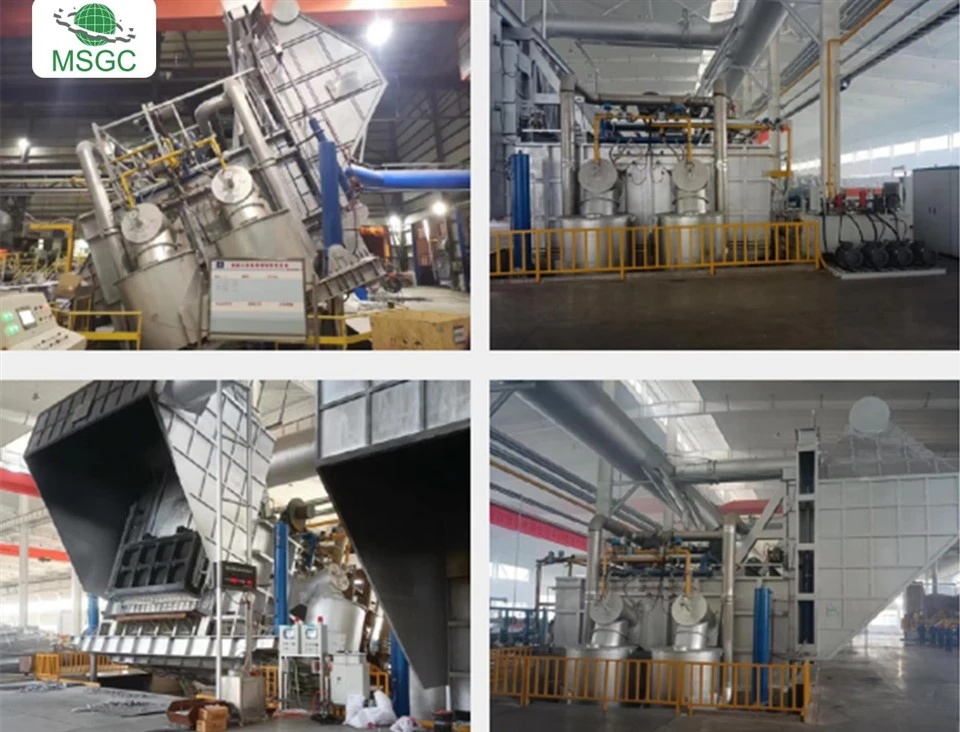
We also offer an Electric Melting Furnace. This type of furnace uses electricity as the heat source, which offers several advantages, including precise temperature control and a cleaner melting process. The materials used in the electric melting furnace are selected to be compatible with the electrical components and to provide excellent heat resistance.
So, to answer the question, yes, the materials used in our aluminum melting furnaces are highly heat-resistant. We use only the highest quality materials and the latest manufacturing techniques to ensure that our furnaces can withstand the extreme temperatures and harsh conditions of the aluminum melting process.
If you're in the market for an aluminum melting furnace, whether it's for a small workshop or a large industrial operation, we're here to help. Our team of experts can provide you with all the information you need and help you choose the right furnace for your specific needs. We also offer after-sales support and maintenance services to ensure that your furnace continues to perform at its best.
Don't hesitate to reach out to us if you have any questions or if you're ready to start the procurement process. We're looking forward to working with you and helping you achieve your aluminum melting goals.
References:
- Various industry reports on refractory materials and their properties.
- Technical specifications of our aluminum melting furnaces.