

1. The Global Expansion of China's Battery Industry
China's new energy industry is accelerating its international expansion. As Chinese battery manufacturers increase overseas exports and establish production facilities in international markets, demand for supporting manufacturing infrastructure, automated warehouses, and intelligent logistics systems is also growing.
The expansion of electric vehicle manufacturing and energy storage markets is creating new opportunities for battery manufacturers and their equipment suppliers. Overseas factories require reliable production logistics, efficient material handling, high-density storage, and integrated warehouse management systems to support increasingly complex manufacturing operations.
According to industry research, Chinese battery manufacturers have continued to strengthen their position in the global market. Their growing overseas presence is also encouraging the international deployment of Chinese manufacturing technologies, automation equipment, and engineering solutions.
For intelligent logistics providers, this creates opportunities beyond domestic projects. The challenge is no longer simply supplying equipment to overseas customers. It is delivering complete automation solutions that can adapt to different countries, industrial standards, factory layouts, and operational requirements.
As a provider of intelligent warehouse automation and logistics system integration, China JSSL Company focuses on supporting manufacturers with automated storage, material handling, warehouse control, and integrated logistics solutions for industrial applications.
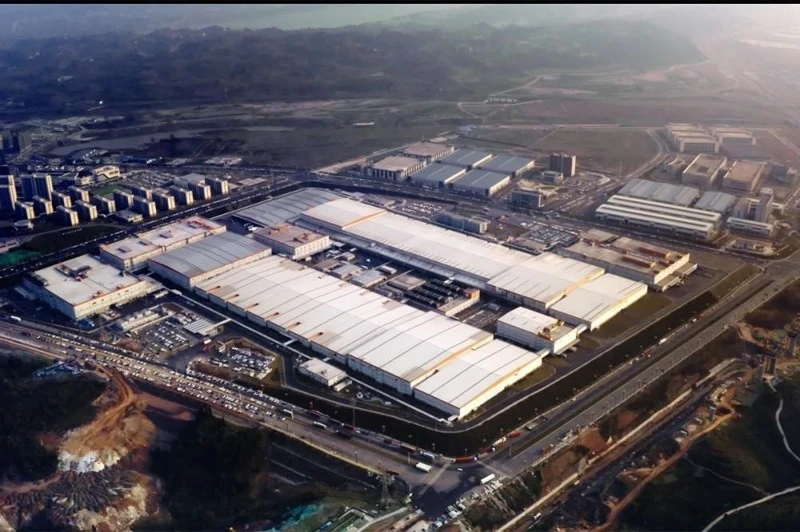
(Battery Manufacturing Logistics System)
2. Growing Global Demand for Battery Manufacturing Logistics
The development of electric vehicles and energy storage systems is expanding the demand for battery manufacturing capacity across multiple regions.
As battery manufacturers establish overseas factories, their logistics requirements extend throughout the entire production process.
Typical applications include:
Raw material receiving and automated storage.
Battery material transportation and production supply.
Electrode material and intermediate product handling.
Battery cell manufacturing logistics.
Formation and grading material transportation.
Module and PACK assembly logistics.
Finished battery storage and outbound handling.
These processes involve different material types, load requirements, storage conditions, and production schedules.
For example, battery raw materials may require controlled storage and accurate batch identification, while production-line logistics must provide timely material supply and reliable transportation. Finished battery products may require specialized handling procedures and coordination with downstream packaging and shipping operations.
Automated logistics systems help connect these processes, improving material visibility, inventory accuracy, and production continuity.
As more battery manufacturers move production closer to overseas customers and regional markets, the demand for localized warehouse automation and engineering support is expected to increase.
3. Overseas Project Delivery: More Than Equipment Export
International logistics automation projects involve considerably more than manufacturing equipment and shipping it to another country.
Different markets have different technical standards, safety requirements, electrical specifications, building conditions, fire protection regulations, and operating practices.
A solution that works well in one factory may require significant adaptation before it can be implemented in another country.
Successful overseas projects therefore require comprehensive engineering capabilities across several stages.
3.1 Logistics Consulting and Warehouse Planning
The first step is understanding the customer's production processes and material flow.
Project planning needs to consider:
Factory layout and available building space.
Material dimensions, weights, and storage requirements.
Production capacity and inventory turnover.
Inbound and outbound logistics processes.
Transportation routes and equipment operating areas.
Future production expansion requirements.
Local safety and engineering standards.
Based on these factors, engineers can develop suitable warehouse layouts, equipment configurations, and logistics workflows.
For battery manufacturing facilities, planning must also consider material traceability, process-specific storage requirements, and coordination between warehouse operations and production equipment.
3.2 Digital Simulation and System Verification
Digital simulation is an important tool for evaluating overseas automation projects before installation.
Through virtual modeling, engineers can analyze equipment movement, storage capacity, transportation routes, and operational bottlenecks.
Simulation can also help evaluate different system configurations and identify potential problems caused by building restrictions, equipment interference, or insufficient transportation capacity.
By verifying key design assumptions before equipment manufacturing and installation, project teams can reduce implementation risks and improve the alignment between the proposed system and the actual production environment.
3.3 Customized Equipment and Software Integration
Overseas projects often require customized combinations of automated equipment and software.
Depending on the facility requirements, a battery factory logistics solution may include:
Automated Storage and Retrieval Systems (AS/RS).
Stacker cranes and high-bay warehouses.
Four-way shuttle systems.
AGV and AMR mobile robots.
Automated conveyors and lifting equipment.
Pallet and container handling systems.
Warehouse Management Systems (WMS).
Warehouse Control Systems (WCS).
Production system interfaces such as MES.
The equipment and software architecture must be designed to work together.
System integration is particularly important when a project involves equipment from different suppliers. Communication interfaces, control protocols, task allocation, and exception handling must be coordinated to create a consistent operating environment.
China JSSL Company provides intelligent warehouse automation and logistics system integration services, helping customers evaluate suitable equipment combinations and connect automated storage and material handling processes.
3.4 International Installation and Commissioning
A successful overseas project requires coordinated implementation from equipment manufacturing to final acceptance.
The delivery process may involve:
Engineering design and technical confirmation.
Equipment manufacturing and factory testing.
International transportation and export documentation.
Customs clearance and site preparation.
Mechanical installation and equipment positioning.
Electrical wiring and control system integration.
Software configuration and system commissioning.
Operational testing, training, and project acceptance.
Each stage requires clear coordination between the equipment supplier, system integrator, local contractors, and customer teams.
Remote technical support, installation documentation, spare parts planning, and local engineering resources can also play important roles in ensuring stable project implementation.
For international customers, the ability to manage the complete delivery process is often just as important as the technical performance of the equipment itself.
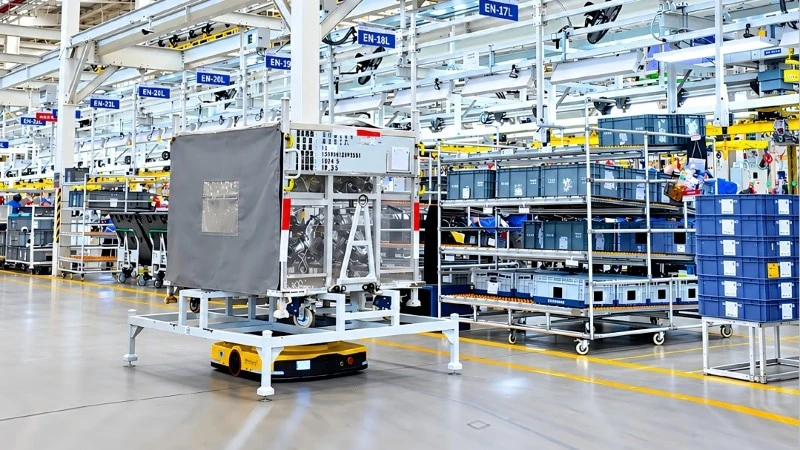
(Intelligent Battery Factory Logistics)
4. Building Reliable Battery Logistics Systems for Overseas Factories
Battery manufacturing involves complex production processes and strict material management requirements. An intelligent logistics system must support not only storage and transportation but also the coordination of materials throughout the production lifecycle.
4.1 Automated Raw Material Storage
Raw materials used in battery manufacturing may require different storage conditions, inventory management rules, and batch identification procedures.
Automated warehouses can improve storage density, inventory accuracy, and material retrieval efficiency.
Depending on the material and operating environment, suitable solutions may include pallet AS/RS, container storage systems, shuttle warehouses, and automated material transportation equipment.
4.2 Production-Line Material Supply
Production lines require stable and timely material delivery.
AGVs, AMRs, conveyors, lifting systems, and automated transfer equipment can connect warehouse areas with manufacturing processes.
A coordinated material supply system helps reduce unnecessary manual transportation and improve the consistency of production logistics.
4.3 Battery Cell and Intermediate Product Handling
Battery cell manufacturing involves multiple process stages and different material handling requirements.
Automated transportation systems can connect production equipment, temporary storage areas, and intermediate material warehouses.
For these applications, system design should consider product protection, transportation stability, batch management, and coordination with manufacturing execution systems.
4.4 Finished Battery Storage and Outbound Logistics
Finished battery products require organized storage, accurate inventory information, and efficient outbound handling.
Automated storage and retrieval systems, conveyors, and warehouse control software can help coordinate finished goods storage, order preparation, and dispatch operations.
When integrated with inventory and production information systems, the logistics platform can improve material visibility from production completion to outbound delivery.
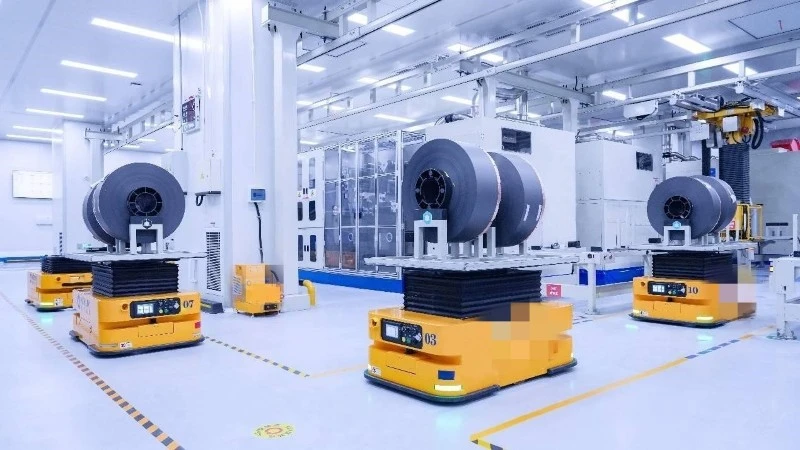
(Battery Production Logistics Automation)
5. Global Service and Long-Term Operational Support
The successful implementation of an overseas automation project does not end when equipment installation is completed.
Manufacturers need reliable technical support, maintenance planning, spare parts management, and software services throughout the operating lifecycle.
International projects may face additional challenges related to geographical distance, time zones, local technical resources, and differences in maintenance practices.
A structured service approach should include:
Remote equipment monitoring and diagnostics.
Technical documentation and operating instructions.
Spare parts planning and supply coordination.
Preventive maintenance procedures.
Software updates and system optimization.
Local technical support where available.
Operator training and maintenance guidance.
These services help customers maintain system availability and reduce the impact of unexpected equipment problems.
For overseas battery factories, long-term operational support is particularly important because interruptions in material handling can affect downstream production processes.
China JSSL Company emphasizes the importance of engineering implementation, system integration, and ongoing technical support in intelligent warehouse automation projects.
6. Global Opportunities Beyond the Battery Industry
Although battery manufacturing is an important growth area, the international expansion of Chinese manufacturing creates opportunities for warehouse automation across many other industries.
Similar logistics requirements can be found in:
Automotive and electric vehicle manufacturing.
Electronics and electrical equipment.
Pharmaceutical and healthcare manufacturing.
Chemical and industrial materials.
Food and beverage production.
E-commerce and distribution centers.
General manufacturing and industrial warehousing.
Each industry has different storage requirements, production rhythms, material characteristics, and compliance considerations.
However, many share common needs for automated storage, intelligent material handling, warehouse software integration, and reliable project delivery.
A modular and adaptable integration approach can help system providers apply proven engineering methods across different industries while customizing equipment configurations and operational workflows for each customer.
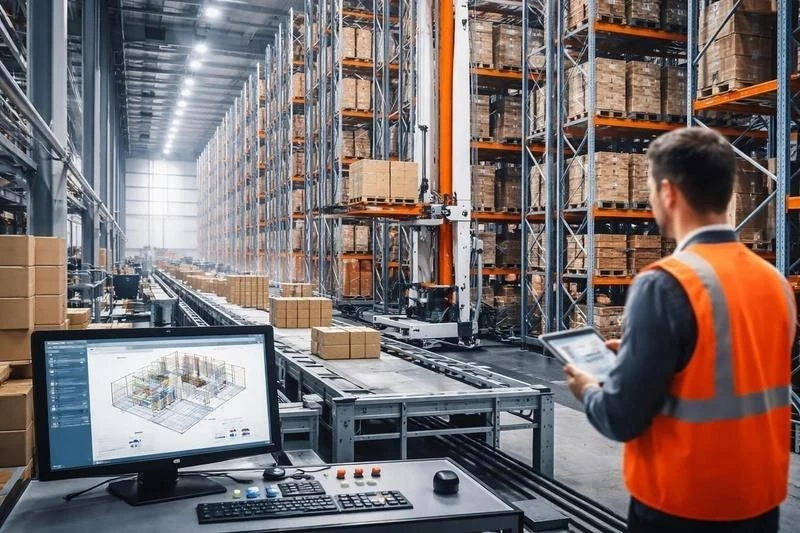
(Global Warehouse Automation)
7. China JSSL Company: Supporting Intelligent Logistics Projects Worldwide
As Chinese manufacturers continue to expand into international markets, intelligent warehouse automation and industrial logistics integration are becoming increasingly important to overseas factory development.
China JSSL Company focuses on intelligent warehouse automation and industrial logistics system integration, with solutions covering automated storage systems, stacker cranes, shuttle systems, AGV and AMR applications, conveyor systems, and warehouse control software.
By combining logistics planning, equipment integration, software coordination, and engineering implementation, China JSSL Company helps manufacturers develop warehouse and material handling systems suited to their production environments.
For battery manufacturers establishing overseas operations, a reliable logistics system must connect raw material storage, production-line supply, intermediate handling, finished goods storage, and outbound transportation.
As China's manufacturing industry continues to expand globally, the value of intelligent logistics lies not only in delivering automation equipment, but also in providing integrated systems that can be implemented, operated, and supported across international markets.