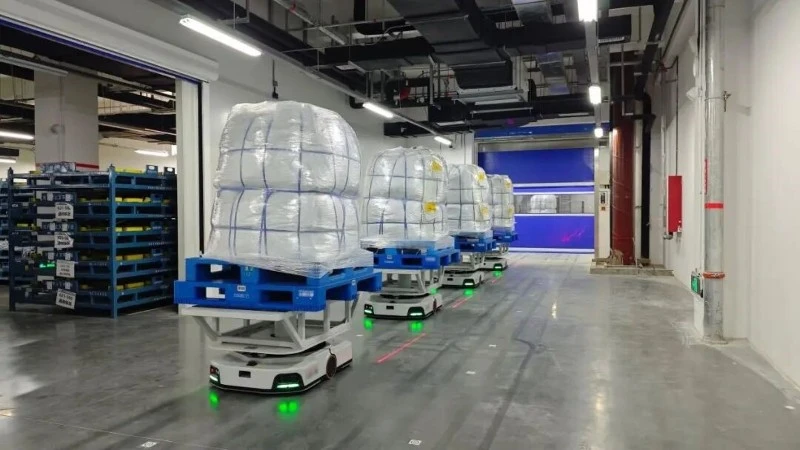
1. Changing Market Expectations: From Individual Equipment to Complete System Delivery
The intelligent logistics industry is undergoing a significant shift in its competitive landscape. As automated equipment and software technologies become increasingly mature, manufacturers are no longer evaluating logistics suppliers solely by individual equipment specifications. Instead, they are paying closer attention to whether a complete system can be successfully implemented, integrated with existing production processes, and maintained over the long term.
For complex industrial projects, the real challenge is not simply selecting advanced stacker cranes, AGVs, AMRs, shuttle systems, or warehouse management software. It is ensuring that all these components work together reliably within the customer's actual operating environment.
This change is redefining the role of intelligent logistics system integrators. Their value increasingly lies in comprehensive solution planning, engineering implementation, multi-equipment coordination, digital management, and long-term operational support.
As an intelligent logistics solution provider, China JSSL Company focuses on integrating automated storage equipment, material handling systems, warehouse software, and control technologies into coordinated intralogistics solutions. The objective is to help manufacturers move beyond isolated automation projects toward more connected, efficient, and manageable logistics operations.
2. Building a Controlled Project Delivery Process
A successful intelligent logistics project requires more than equipment installation. It involves a series of interconnected stages, from initial analysis and engineering design to commissioning and ongoing optimization.
2.1 Production-Oriented Solution Planning
Effective logistics planning begins with understanding the customer's production requirements.
Before designing an automated warehouse or material handling system, project teams need to evaluate material characteristics, production schedules, inventory turnover, process bottlenecks, facility conditions, and relevant safety or compliance requirements.
Different industries have different operating priorities. A pharmaceutical warehouse may require strict batch management and traceability, while a battery manufacturing facility may prioritize material identification, handling accuracy, and process safety. Continuous-production industries, meanwhile, often place greater emphasis on logistics continuity and equipment availability.
China JSSL Company approaches intelligent logistics projects from the perspective of actual production and warehouse operations, helping customers define suitable automation strategies rather than simply applying standardized equipment configurations.
2.2 Digital Simulation and Engineering Verification
Digital simulation provides an important way to evaluate system performance before physical implementation.
Through virtual modeling, engineers can examine equipment coordination, transportation routes, storage capacity, traffic conditions, and potential operational bottlenecks. Simulation can also help evaluate different equipment configurations and identify possible conflicts before construction begins.
For complex projects, this approach supports more informed decisions regarding system layout, equipment quantity, operating efficiency, and future expansion.
By identifying potential problems during the engineering stage, simulation helps reduce implementation uncertainty and improves the alignment between the proposed solution and actual operating requirements.
2.3 Automated Equipment and Hardware Integration
Automated logistics systems may involve several types of equipment, including:
Automated Storage and Retrieval Systems (AS/RS)
Stacker cranes and high-bay storage systems
Four-way shuttle systems
AGV and AMR mobile robots
Automated conveyors and lifting systems
Pallet handling and transfer equipment
Automated loading and unloading solutions
The appropriate configuration depends on the facility layout, storage density, load requirements, material flow, and production rhythm.
Rather than treating each machine as an independent unit, system integration focuses on equipment compatibility, communication protocols, operational coordination, and overall system performance.
China JSSL Company provides system integration and project implementation services for suitable automated storage and material handling applications, helping customers connect individual equipment into a coordinated logistics workflow.
2.4 Software Integration and Unified System Control
Software is the foundation that connects equipment, inventory information, production processes, and operational decisions.
A typical intelligent logistics architecture may include:
WMS (Warehouse Management System): Manages inventory, storage locations, inbound and outbound operations, and warehouse workflows.
WCS (Warehouse Control System): Coordinates automated equipment and executes warehouse-level instructions.
MES (Manufacturing Execution System): Connects production processes with material and manufacturing information.
RCS (Robot Control System): Coordinates mobile robot tasks, traffic, and fleet operations.
Integration among these systems helps reduce information silos and improve the consistency of operational data.
In facilities containing equipment from multiple manufacturers, communication protocol compatibility and unified scheduling are particularly important. A well-designed integration architecture enables different equipment types to exchange information and execute tasks according to coordinated operating rules.
2.5 Digital Project Management and Delivery Control
Project delivery involves multiple stages, including engineering design, equipment procurement, manufacturing, installation, software integration, commissioning, and acceptance.
Without effective project management, delays or coordination problems in one stage can affect the entire implementation schedule.
A structured Project Management System (PMS) can divide the delivery process into defined phases and track key milestones, responsibilities, potential risks, and outstanding issues.
This makes project progress more transparent and allows teams to identify problems earlier. It also provides customers with a clearer understanding of implementation status and acceptance requirements.
For intelligent logistics projects, systematic project management is essential to turning technical solutions into operational systems.
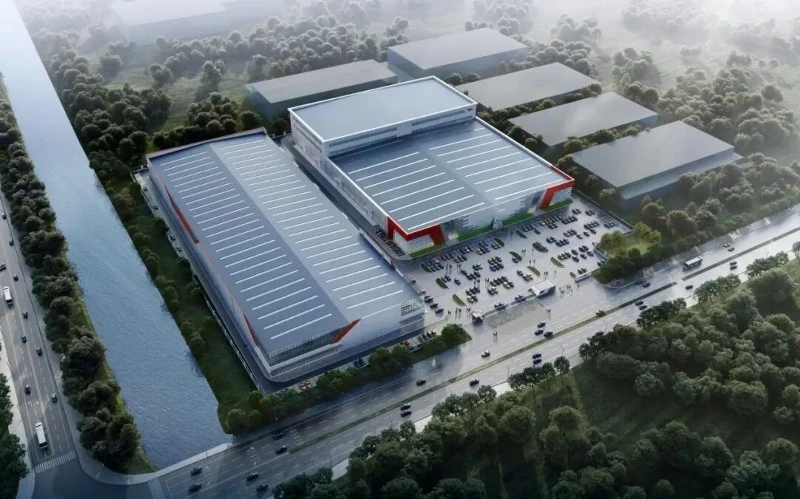
(Intelligent Logistics Automation)
3. Full Lifecycle Operations: From Reactive Maintenance to Predictive Maintenance
System delivery is only the beginning of a project's lifecycle. Once an automated logistics system enters operation, equipment reliability, maintenance efficiency, and continuous optimization become increasingly important.
Traditional maintenance often depends on responding after equipment failure. This approach can result in unexpected downtime, production interruptions, and higher maintenance costs.
Predictive maintenance takes a more proactive approach by monitoring equipment operating conditions and identifying potential abnormalities before they develop into serious failures.
3.1 Equipment Monitoring and Data-Based Maintenance
Industrial IoT platforms can collect operational information such as equipment temperature, vibration, running status, positioning accuracy, and alarm records.
By analyzing these data, maintenance teams can identify abnormal operating trends and arrange inspections or component replacement according to actual equipment conditions.
A connected maintenance workflow may include:
Real-time equipment data collection.
Operating condition analysis and abnormality detection.
Automatic alarm generation and maintenance task assignment.
Remote diagnosis and technical support.
Planned maintenance and component replacement.
Maintenance record management and performance analysis.
This approach helps maintenance teams move from unplanned repairs toward more organized equipment lifecycle management.
3.2 Unified Scheduling for Multi-Brand Equipment
Many industrial facilities operate automated equipment from different manufacturers. AGVs, AMRs, stacker cranes, shuttle systems, conveyors, and production equipment may each use different control interfaces and communication protocols.
Without effective integration, information can become fragmented across individual control systems.
A unified scheduling architecture helps coordinate equipment tasks and improve the visibility of material movement across the facility. By connecting warehouse, production, and equipment data, the system can support more consistent task allocation and exception handling.
For example, when a shuttle system encounters a retrieval problem, the control platform should be able to communicate the equipment status, identify the affected task, and coordinate an appropriate response rather than allowing the issue to remain isolated within one device.
The combination of equipment monitoring, centralized scheduling, and operational data analysis provides a stronger foundation for stable logistics operations.
3.3 Remote Support and Localized Service
For manufacturers operating across multiple regions, maintenance capability is an important factor when selecting an automation partner.
A reliable service structure should include technical documentation, spare parts planning, remote diagnostics, maintenance procedures, and clear escalation channels.
Depending on project requirements, local service resources and regional technical support can further improve response efficiency.
China JSSL Company recognizes that long-term system performance depends not only on the quality of the initial installation but also on the availability of technical support, maintenance planning, and continuous system optimization.
4. Cross-Industry Applications: Shared Technology with Customized Solutions
Intelligent logistics systems are used across a wide range of manufacturing and distribution environments. However, different industries have significantly different material characteristics, production processes, environmental conditions, and compliance requirements.
A successful solution therefore needs to combine reusable technical architecture with industry-specific engineering.
Pharmaceutical and Healthcare Manufacturing
Pharmaceutical logistics often requires strict batch management, material traceability, controlled storage conditions, and compliance with applicable quality management standards.
Automated storage, barcode or RFID identification, warehouse software, and production system integration can help improve inventory accuracy and process transparency.
Depending on the application, system planning may also need to consider clean-area zoning, environmental monitoring, and audit data requirements.
New Energy and Battery Manufacturing
Battery production involves high-value materials, multiple production stages, and complex internal transportation requirements.
Automated storage and retrieval systems, AGVs, AMRs, conveyors, and intelligent scheduling platforms can support material movement between raw material storage, electrode production, cell manufacturing, formation and grading, and downstream assembly.
Key considerations include material identification, batch traceability, handling safety, storage density, and coordination with production systems.
Tire, Paper, Chemical, and Continuous Manufacturing
Industries with continuous or high-volume production often require stable material supply and reliable equipment operation.
Automated warehouses and material handling systems can help coordinate raw material storage, work-in-process transportation, finished goods handling, and outbound logistics.
In these environments, equipment availability, transportation rhythm, exception response, and maintenance planning are essential factors in maintaining production continuity.
A Common Integration Framework
Although industry requirements differ, many intelligent logistics projects share a similar technical foundation:
Automated storage and material handling equipment.
Warehouse and production software integration.
Centralized equipment scheduling.
Digital monitoring and operational data analysis.
Structured project management.
Lifecycle maintenance and technical support.
The reusable platform provides a consistent integration framework, while equipment configuration, software interfaces, and operational rules are customized according to each customer's production processes.
This combination helps improve engineering efficiency without compromising the specific requirements of individual industries.
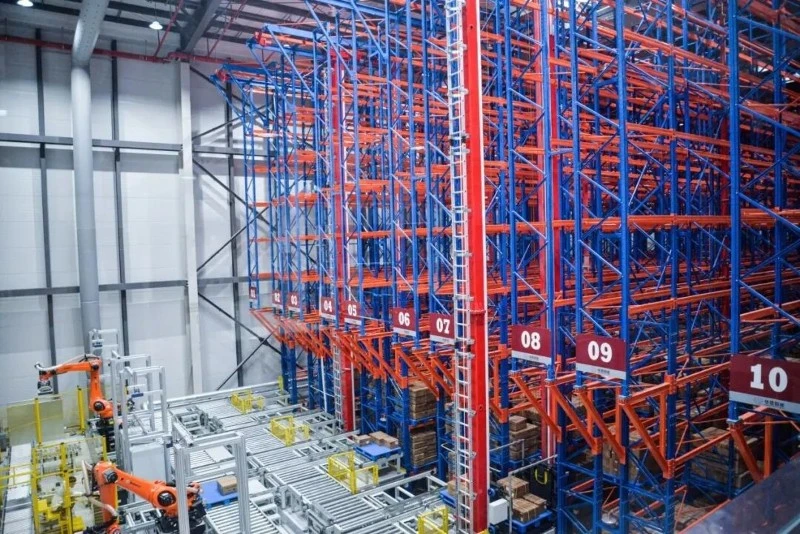
(Automated Logistics Project Management)
5. The Future of Intelligent Logistics Integration
As automation technologies become more standardized, the competitive advantage of logistics integrators will increasingly depend on their ability to deliver complete, reliable, and adaptable systems.
Artificial intelligence, digital twins, industrial IoT, and intelligent scheduling are creating new possibilities for logistics planning and operational management.
Digital twins can support virtual system modeling and operational visualization. AI-assisted analysis can help identify abnormal conditions and improve scheduling decisions. Industrial IoT platforms can connect equipment status with maintenance workflows, while integrated control systems can coordinate increasingly complex equipment fleets.
However, the value of these technologies ultimately depends on their practical application. A digital platform must connect to real equipment, scheduling decisions must reflect actual production conditions, and predictive maintenance must lead to actionable service operations.
For manufacturers, the next generation of intelligent logistics is not simply about purchasing more automated equipment. It is about building an integrated system that can be implemented effectively, operated reliably, and continuously improved.
6. China JSSL Company: Connecting Equipment, Software, and Industrial Logistics
China JSSL Company focuses on intelligent warehouse automation and industrial logistics system integration. Its solution scope covers automated storage, shuttle systems, stacker cranes, AGV and AMR applications, conveyor systems, warehouse control software, and related material handling technologies.
By combining project planning, equipment integration, software coordination, and engineering implementation, China JSSL Company helps manufacturers develop logistics systems suited to their facility layouts and operational requirements.
From automated warehouse planning to production-line material handling, the key objective is to connect equipment, information, and processes into a coordinated system.
The future of intelligent logistics is not defined by individual machine specifications, but by the ability to deliver a complete system that works reliably throughout its lifecycle.